
Hong Kong Craft Markets & Exhibition Seasons: Where to Check, How to Browse, What to Buy
Markets aren't a matter of luck—"browse if there is one, skip it if not." This article explains the categories of Hong Kong markets, where to find accurate information, and how to pick truly worthwhile handmade pieces in an afternoon.
How do you find and browse Hong Kong's craft markets and art exhibition seasons?
Hong Kong's markets broadly fall into four categories: weekend craft markets, art exhibition seasons, independent publishing and book fairs, and studio open days. Check three sources: organizer social media accounts, the official websites of venues that regularly host events (such as the West Kowloon Cultural District, PMQ, and Tai Kwun), and the Hong Kong Tourism Board's events page. Specific sessions and dates vary each year, so always refer to organizer announcements. When browsing, bring cash, do a full loop before buying, and focus on craft details rather than packaging.
- •Hong Kong markets fall into four categories: weekend craft markets, art exhibition seasons, independent book fairs, and studio open days
- •Check three sources for information: organizer social media, official websites of regular venues, and the Tourism Board events page
- •Specific sessions and dates vary each year; refer to organizer announcements and don't rely on old guides
- •Browsing order: do a full loop first and note stalls you like, then go back to buy
- •Judge handmade goods by craft details—seams, glaze, edges—not packaging and copy
First, the categories: Hong Kong's markets are not all one type
The word "market" covers a lot in Hong Kong, and lumping them all together can lead to a wasted trip. Broadly, they fall into four categories, each with a completely different way of browsing.
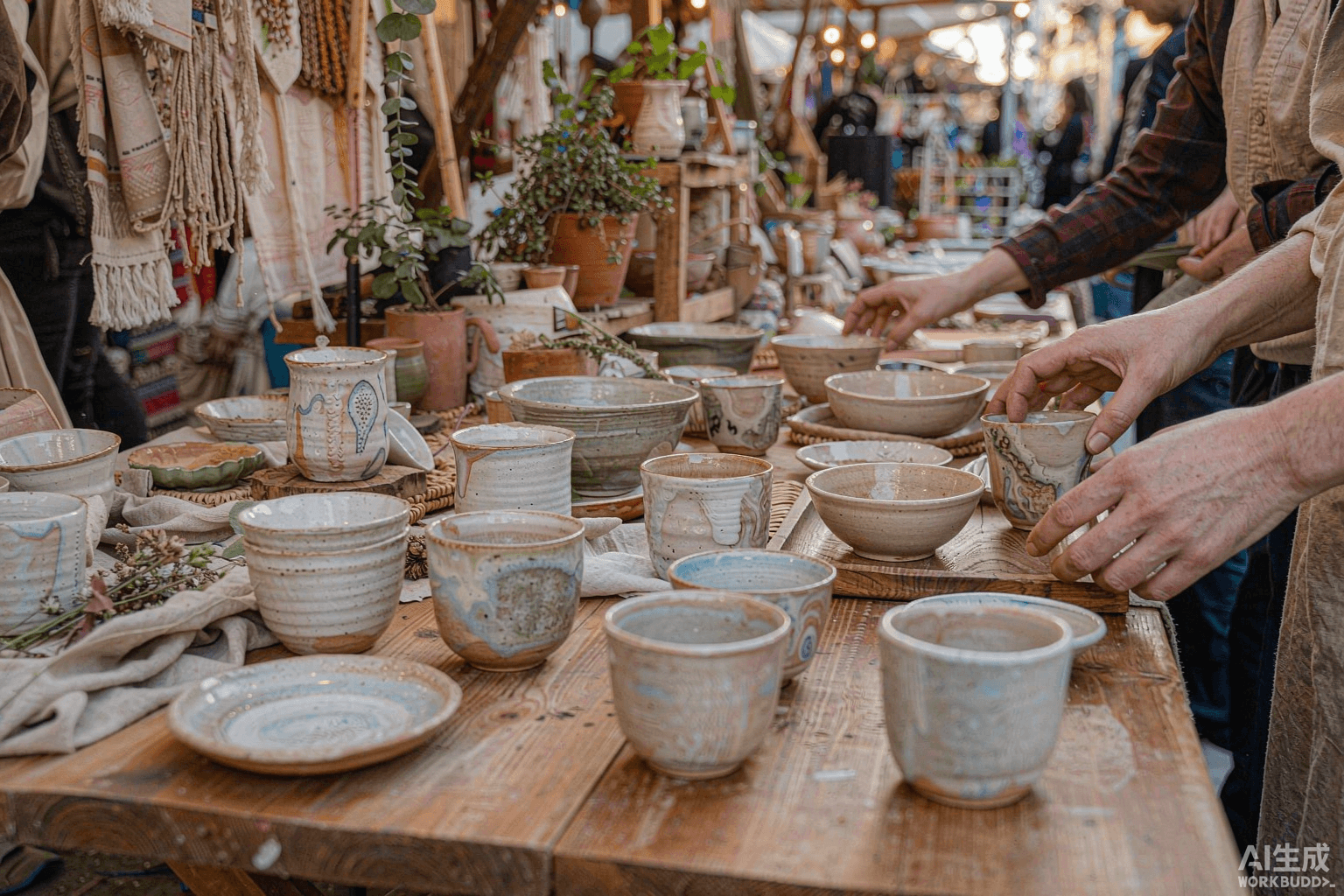
The first category is weekend craft markets: venues are often mall atriums, converted old factory spaces, or waterfront open areas, with stalls mainly featuring local handmade goods—ceramics, textiles, accessories, and fragrances. The scale is small but dense, and you can see everything in an afternoon. The second category is art exhibition seasons: organized by museums, cultural districts, or arts institutions, focused on themed exhibitions and public art, with sales as a side note. The third category is independent publishing and book fairs: small presses, independent magazines, and zines, suited to those who love print. The fourth category is studio open days: ceramics, printmaking, and woodworking studios open to the public on specific days, where you can see the making process and buy directly.
How to check: three reliable sources—don't trust old guides
The biggest pitfall with market information is that it's outdated. Online guide articles are often written two or three years ago; the venue still exists, but the event has long changed. There are only three reliable ways to check.
First, the organizer's social media accounts. Craft market organizers are usually small teams, and event information is posted first on their own social accounts. Second, the official event calendars of venues that regularly host markets—places like the West Kowloon Cultural District, PMQ, and Tai Kwun have monthly event listings on their official websites, which are more accurate than secondhand information. Third, the Hong Kong Tourism Board's events page, suitable for checking major exhibition seasons and festivals.
A practical reminder: specific sessions, dates, and opening hours may change every year. This article does not list specific dates; before you go, please refer to the organizer's announcements. If you see claims like "held every year in month X," verify them again.
How to browse: an efficient route for an afternoon
1. Do a full loop first—don't buy as you walk
Market stalls are densely packed, and it's easy to pay immediately when you see something you like at first glance, only to find something better later. Spend ten minutes doing a full loop first, note three to five stalls you want to return to, and then decide what to buy.
2. Look at craftsmanship, not packaging
The difference between handmade and mass-produced lies in the details: whether a ceramic's glaze is even and the base edge is clean; whether textile seams are flat and thread ends are finished; whether wood is sanded smoothly. Exquisite packaging doesn't necessarily mean handmade, and a simple stall may still have good things.
3. Chat with the stall owner
The greatest value of a craft market is being able to ask directly: What glaze is this? Is it dishwasher-safe? How long does one piece take to make? Stall owners are usually happy to talk, and after chatting, your understanding of the item will be completely different—this is also what makes markets more interesting than online shopping.
4. Bring cash
Many small stalls only accept cash, or electronic payments incur a surcharge. Withdraw some cash before you go so you don't miss out on something you like.
What to buy: three categories worth taking home
The first category is objects for daily use: cups, bowls, plates, trays. The greatest advantage of handmade objects is that you can use them every day, unlike decorative pieces that gather dust over time. The second category is consumables: handmade soap, fragrances, tea. You can buy them again when they run out, and they don't take up space. The third category is small, complete works: a brooch, a print, a zine—not expensive, but they help you remember which trip you bought them on.
The first category not recommended is large, fragile items—unless you're sure you can safely take them on a plane. The second is decorations that "look impressive but are useless"; you're excited when you buy them, and they go into a cabinet once you get home.
When to go: seasonal patterns
Hong Kong's outdoor markets are denser in autumn and winter (roughly October to February), when the weather is cool, walking is comfortable, and venues are easier to arrange. Spring and summer are rainy and humid, so events shift more toward indoor venues and exhibition halls.
Major art exhibition seasons usually cluster in spring and autumn, with specific schedules announced once a year. If your itinerary can accommodate it, try to avoid the first day of public holidays—crowds and long queues make the market experience much worse.
The connection to blind boxes
Markets and curated blind boxes do the same thing: they select good things scattered across different studios and put them in one place for you to see all at once. The difference is that markets let you choose for yourself, while blind boxes decide for you.
If you always "want everything and end up buying nothing" at markets, a blind box may actually suit you better—it does the filtering for you, at the cost of giving up your choice. Conversely, if you care deeply about the details of every item, markets will always suit you better than blind boxes.
Browsing alone: how to plan your route
If it's just you, you can take a more relaxed pace. A suggested order: first go to exhibition halls or permanent spaces at fixed venues, where the pace is slower, there are seats, and you can stop anytime; then go to outdoor market stalls, which are mobile, so you can leave whenever you're tired.
The reverse order works too, depending on the weather. In summer, do outdoor first and indoor later—finish the open-air part while it's cool in the morning, then go inside at midday to escape the heat; in autumn and winter, it's flexible, as both indoor and outdoor are comfortable.
A practical detail: market sites often have no storage space, so carrying a lot of purchases gets tiring. Bring a foldable tote bag—it's easier than carrying big bags from the start.
Caring for handmade purchases at home
Ceramics: most handmade ceramics can be used daily, but large temperature swings can cause cracking, so don't move them straight from the fridge to the oven. Glazed pieces are best washed by hand; the high heat and collisions in a dishwasher can wear away the glaze's luster.
Woodware: it fears both dryness and soaking. Don't leave it in water for long; wipe it dry immediately after washing and place it in a ventilated spot. Every few months, apply a thin coat of food-grade wood wax oil to make the grain look richer.
Textiles: hand-dyed fabrics may release a little color on the first wash; wash them separately by hand in cold water and don't soak them for long. Avoid direct sunlight when drying to keep the color longer.
Prints and paper works: keep away from light and moisture. When framing, leave a gap between the paper and the glass to prevent the paper from touching the glass directly and growing mold.
Summary
The right way to visit a market isn't to "hope you stumble upon one," but to check the venue and schedule in advance, set aside an afternoon, bring enough cash, and look around before buying. Hong Kong's craft ecosystem is very dense and deserves a half-day of its own—what you take home won't just be a cup, but also the ten minutes you spent chatting with the stall owner.
Key facts
- Market types
- Weekend craft markets, art exhibition seasons, independent book fairs, studio open days
- Where to check
- Organizer social media, venue official websites, Hong Kong Tourism Board events page
- Timing note
- Sessions and dates vary each year; refer to organizer announcements
- Payment reminder
- Some small stalls only accept cash
Sources
Related stories
What does full case mean? Will buying a whole case give duplicates?
"Full case" is the most common term and also the most easily misunderstood. This article explains what a full case actually changes, why a full case doesn't equal no duplicates, and under what product structures "duplicates" aren't an issue at all.
What is UNBOX: how does one unboxing turn into a city discovery
UNBOX is MY LUCKY MALL's curated blind box: each box combines 3–5 items selected by algorithm and human curation, including physical items and some local experience vouchers, with the total value of the items guaranteed to be no less than the purchase price. This article explains the five-step process, what's in the box, the role of surprise items, and how it differs from traditional blind boxes.