What does full case mean? Will buying a whole case give duplicates?
A full case means buying the entire case of one series at once — the blind box community's term for "whole-case purchase." With traditional blind boxes, a full case lowers the chance of duplicates but doesn't mean there won't be any — the same style can still appear within a case, depending on the merchant's packing rules. UNBOX doesn't allocate by series; each box is curated by algorithm and by hand from different categories with 3–5 items, so the "duplicate styles within a series" problem doesn't exist.

MY LUCKY MALL Editorial
Content team
Key takeaways
- •Full case = buying the entire case of one series at once; it's a way of buying, not a product feature
- •A full case lowers the chance of duplicates but doesn't equal no duplicates: the same style can still appear within a case
- •Whether duplicates occur depends on the packing rules and how many styles the series has
- •UNBOX doesn't allocate by series; each box is a cross-category curated combination, with no "duplicate styles within a series"
- •First decide whether you want "stability" or "one try," then choose a full case or a single box
If you buy a whole case of blind boxes at once (full case), will you draw duplicates?
A full case means buying the entire case of one series at once — the blind box community's term for "whole-case purchase." With traditional blind boxes, a full case lowers the chance of duplicates but doesn't mean there won't be any — the same style can still appear within a case, depending on the merchant's packing rules. UNBOX doesn't allocate by series; each box is curated by algorithm and by hand from different categories with 3–5 items, so the "duplicate styles within a series" problem doesn't exist.
Buying a full case is a way of purchasing, not a type of product
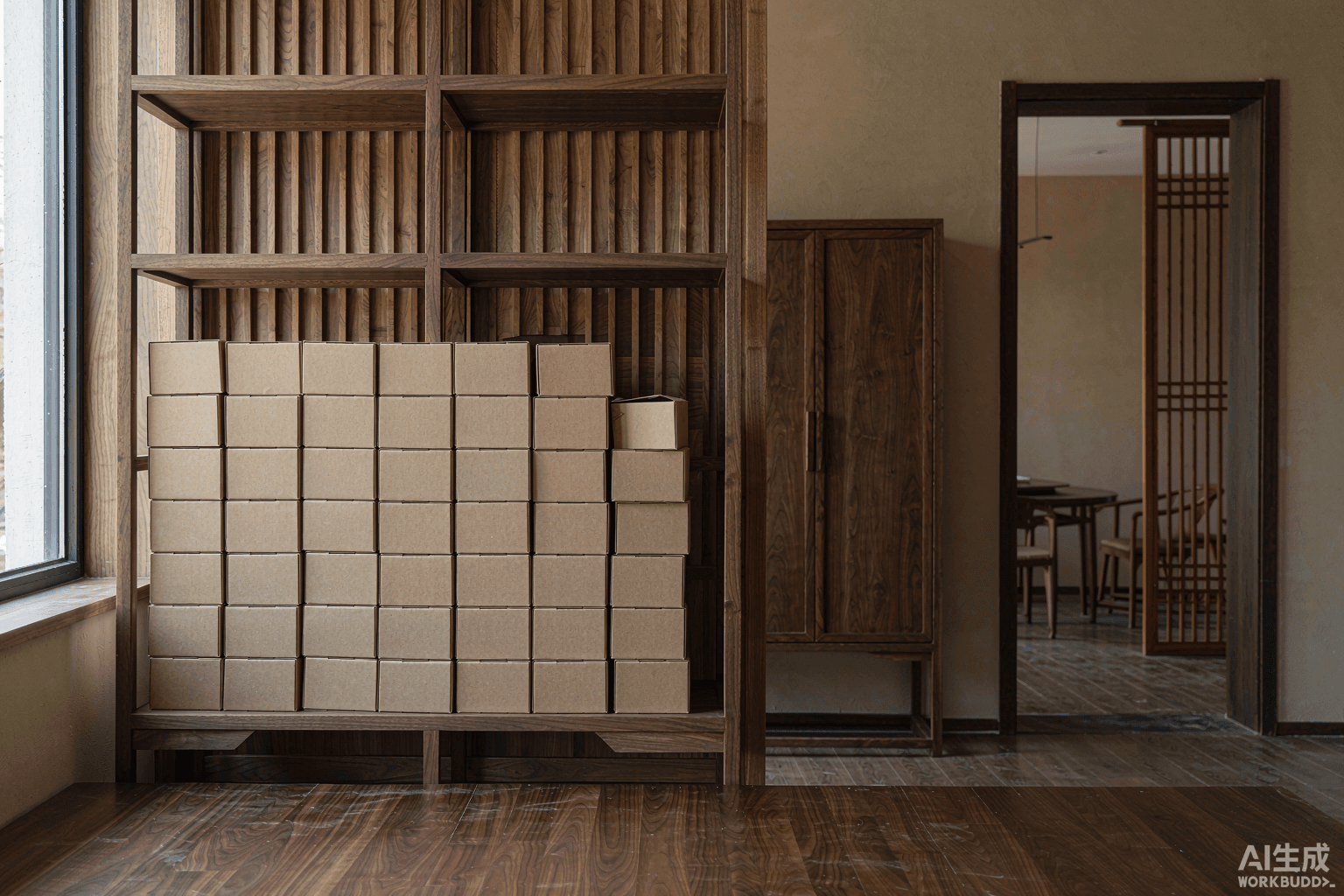
"Full case" (duan he) is slang in the blind box community meaning "buying the entire case of one series at once." It is not a special version of a product, but a way of buying: others open one box to try, while you buy the whole case outright. The term first came from full-case trading of collectible blind boxes, and later spread widely; now even products with only a few styles get called full-case buys. Understanding this matters, because many people treat a full case as a promise of "no duplicates" — it never was.
Why a full case cannot guarantee no duplicates
The logic of a full case is: one case contains all the styles in the series, or is packed according to a fixed ratio. If the merchant packs "one of each style" per case, then a full case indeed won't have duplicates; but if duplicates are allowed within a case by design (for example, common styles make up the majority and rare styles the minority), then even a full case can still contain duplicates.
There is another layer: the position of secret styles is usually not disclosed. The manufacturer knows which box holds the secret style; the consumer does not. So what you buy with a full case is "the possibility of a complete set," not "the certainty of a complete set." For products with opaque packing rules, the difference between a full case and a single box may just be that you bought a few more boxes.
To judge whether a full case of a series is worth it, ask three questions first: How many styles are in this series? What is the ratio of each style? Is the packing rule for the full case disclosed? When you can't answer all three, a full case is just betting on a bigger probability.
Why UNBOX doesn't have the "duplicate style" problem
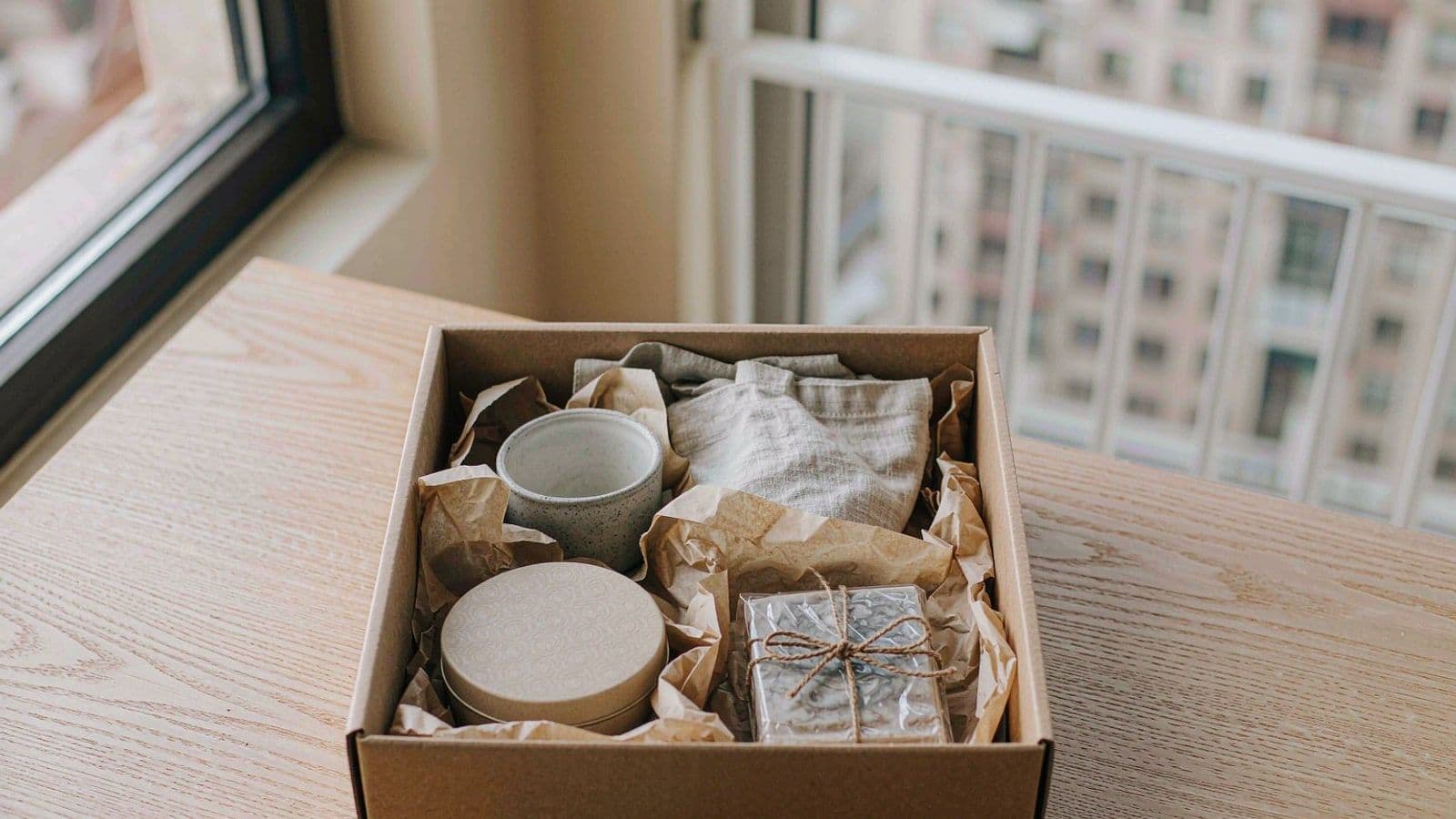
UNBOX's packing logic differs from traditional series blind boxes: it doesn't allocate by "which style of the same series," but curates combinations across different categories — each box contains 3–5 items selected by algorithm and by hand, which may be local handmade goods, daily necessities, fragrance, or city experience vouchers.
This structure means it has no concept of "duplicate styles within a series": the box you buy the second time simply won't contain the same things as last time, unless the same item happens to be picked. What really matters is whether the items themselves suit your preferences, not whether you've "completed a set."
If what worries you is "getting the same item twice," here's how to handle it: after unboxing, you can see an item-by-item list in the App; duplicate items can be discussed under the return and exchange policy, or passed on to someone who can use them. This is completely different from the "complete the set" logic of blind boxes.
When to buy a full case, and when a single box is enough
Situations suited to a full case: you already know you like this direction and want more at once; you're giving it as a gift and need the ceremony of a whole case; you don't want to order repeatedly and want to settle it in one go. In these three cases, a full case saves time and decision costs.
Situations where a single box is enough: you just want to try this product; you have no particular expectation of what's inside; your budget is limited and you don't want to commit too much at once. Part of the fun of blind boxes comes from the lightness of "just buying one" — you don't need to feel you bought too little just because others bought a full case.
A reminder about budget
The biggest risk of a full case isn't duplicates, it's budget. The amount for a whole case is usually several times that of a single box, and the psychological threshold at checkout is lowered by the phrase "a complete set," making it easy to exceed your original plan.
Two simple approaches: first, buy one box to confirm you like this direction, then consider a full case; second, before buying a full case, write down your budget cap and think through "what if I don't get what I want." The fun of blind boxes rests on "bearable uncertainty" — beyond what you can bear, surprise turns into pressure.
Where the money actually differs between a full case and a single box
Many people assume the unit price of a full case must be lower, but that isn't necessarily so. Some brands do offer a small discount on full cases, while others price full cases the same per box as singles, with the benefit showing up only in gifts or limited editions. Before ordering, calculate "full case price ÷ number of boxes" and compare it with the single-box price to see whether the full case actually gives you a break.
Beyond unit price, there are three hidden accounts. The first is shipping: many merchants set a free-shipping threshold that a single box often doesn't reach, while a full case crosses it in one go — the savings can sometimes be more real than a discount. The second is time: a full case is one decision, while single boxes mean repeated price comparisons, repeated orders, and back-and-forth communication costs that are also costs. The third is the mental account: paying one large sum versus five small ones is the same amount but feels completely different — the former makes you more cautious, the latter makes it easier to ignore cumulative spending.
So there's no universal answer to "is a full case worth it": for people who want a lower unit price, free shipping, and are sure they'll play long-term, a full case suits better; for those who just want to try once or are price-sensitive, a single box is safer.
Three things you can do before ordering
First: check how many styles the series has. This number determines whether a full case can complete the set, and how high the duplicate probability is. The more styles, the lower the chance a single box draws a duplicate, but the harder it is to complete the set.
Second: find the packing rules. Reputable products write the ratios on the detail page or packaging. For products where you can't find the ratios and customer service can't explain them either, the meaning of a full case is reduced to "buying a few more boxes."
Third: write down your budget cap, and "what if I don't get the one I want most." This isn't pessimism; it's leaving yourself an exit with no regrets in advance. What people actually regret is often not failing to draw it, but "adding three more boxes just to get it."
Summary
A full case is a way of buying, not a guarantee of no duplicates. It solves the convenience of "buying it all at once," not the question of "whether the packing rules are transparent." For curated products like UNBOX that don't allocate by series, "duplicate styles" isn't the main issue at all — what's more worth your time is judging whether what's in the box fits your life.
Key facts
- Full case definition
- Buying the entire case of one series at once
- Cause of duplicates
- Determined by packing rules and the number of styles in the series; a full case doesn't guarantee no duplicates
- UNBOX structure
- Not allocated by series; each box is a curated combination of 3–5 cross-category items
- Value guarantee
- Total value of items opened is no less than the selling price