
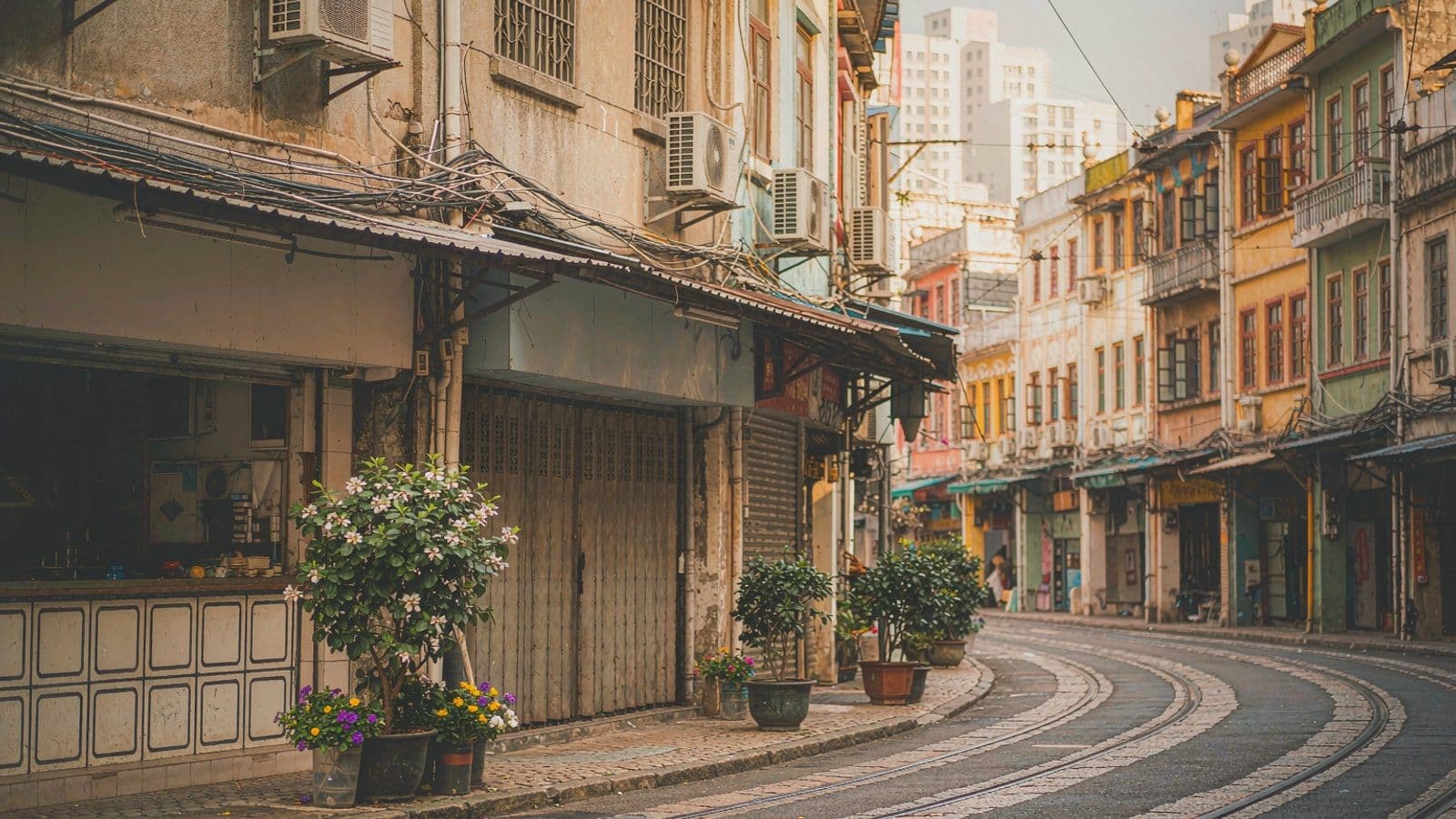
Half a day in Hong Kong: comparing routes in Central, Sheung Wan, Mong Kok, Causeway Bay, and Tsim Sha Tsui
Only have half a day—which of the five districts should you choose? This article compares Central, Sheung Wan, Mong Kok, Causeway Bay, and Tsim Sha Tsui item by item on terrain intensity, walking distance, indoor-outdoor ratio, and best time slot, and gives three actionable half-day routes plus two variations for rainy days and weekdays.
With half a day in Hong Kong, which district is best to explore?
When choosing a district for half a day, check your energy first and the weather second: for slopes and old lanes choose Central or Sheung Wan; for high density and being able to step into shops anytime choose Mong Kok; for mostly indoor and less walking choose Causeway Bay; for the sea and skyline choose Tsim Sha Tsui. All five districts can be covered along their main lines within half a day—the difference is in intensity and rhythm.
- •Central has many slopes and the highest walking intensity; Sheung Wan's roads are flat and suited to walking and stopping.
- •Mong Kok has the highest density and barely needs a planned route; Causeway Bay has the highest indoor ratio and is the most reliable on rainy days.
- •Tsim Sha Tsui suits connecting daytime and sunset; wind is the only variable you need to prepare for.
- •Half a day is only enough to cover the main line of one district; crossing districts consumes time on the subway and finding your way.
- •The difference between weekday and weekend experiences is most obvious in Mong Kok and Causeway Bay.
The question "Where can I go in half a day?" isn't answered by a list of attractions, but by your energy and the weather. The same three hours in Central means continuous uphill and downhill, while in Causeway Bay it might just be walking from one mall to another. This article lays out five districts side by side using quantifiable dimensions, then gives three routes you can follow directly.
Half a day is only enough to cover the main line of one district. Crossing districts isn't impossible, but time gets consumed by subway transfers and finding your way rather than by the experience itself.
Five districts, four dimensions to start with
Choosing a neighbourhood doesn't require looking at guide rankings—four dimensions are enough: terrain intensity, walking distance, indoor-outdoor ratio, and best time slot. The table below is a comparison you can use directly.
Neighbourhood | Terrain intensity | Main route walking | Indoor-outdoor ratio | Best time slot |
|---|---|---|---|---|
Central | High, many slopes and footbridges | About 2–3 km | Mostly outdoor, can switch to malls | Morning to afternoon |
Sheung Wan | Low, relatively flat roads | About 1.5–2 km | Mostly outdoor | Morning to evening |
Mong Kok | Low, but high crowd density | About 1.5 km | Half indoor, half outdoor | Weekday afternoons |
Causeway Bay | Low, good indoor connectivity | About 1 km | Mostly indoor | Rainy days, evenings |
Tsim Sha Tsui | Low, flat waterfront | About 2 km | Mostly outdoor | Afternoon to sunset |
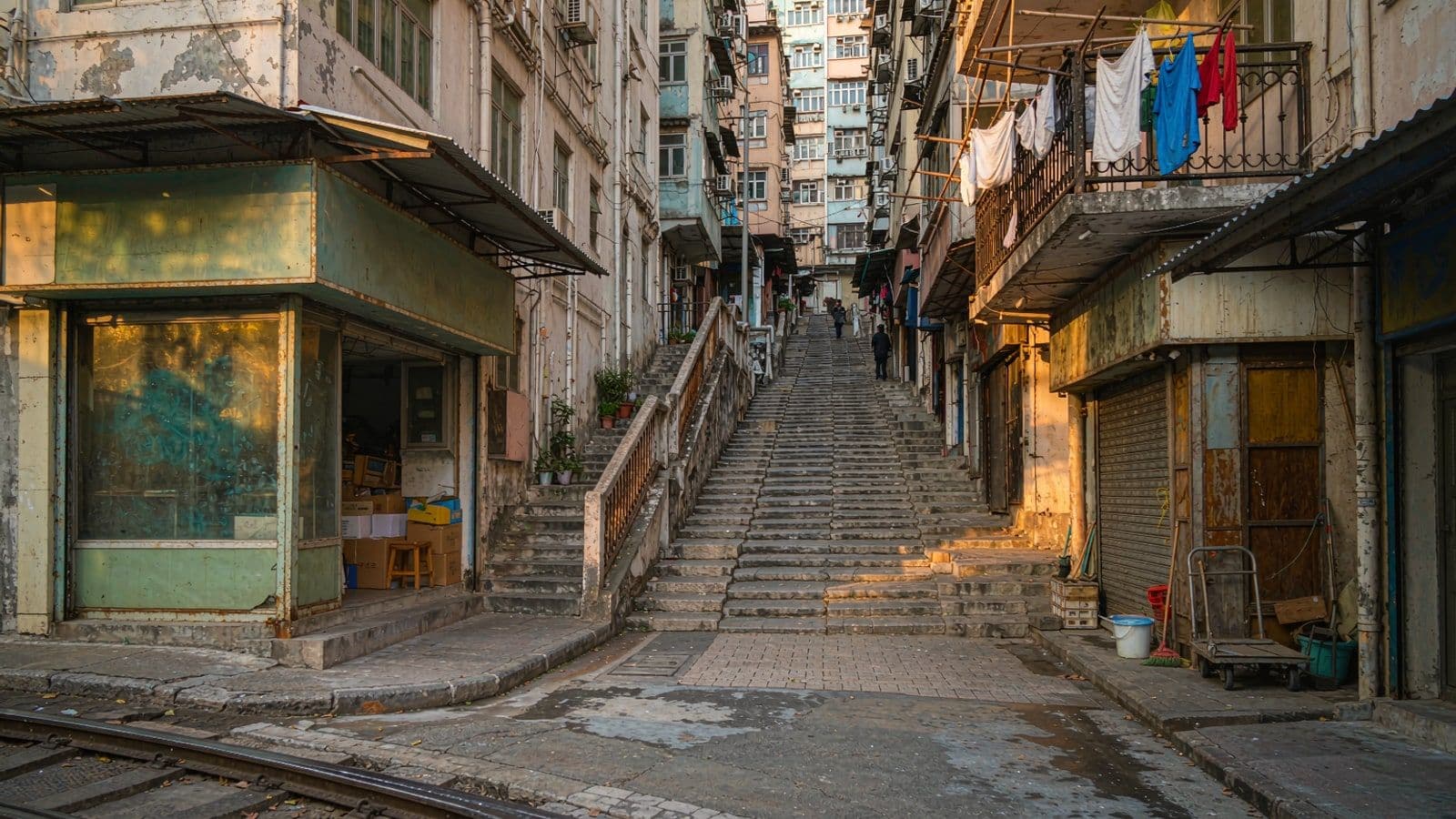
Central: the most intense, and the most "Hong Kong"
Central's terrain is its personality: slopes, stone steps, footbridges, the Mid-Levels escalator—almost every step is up or down. The upside is strong layering; one street can reveal three cross-sections of the city. The cost is that it drains your energy noticeably more than the other four districts.
The suggested half-day route is "top to bottom": start at a higher point, then walk all the way down, so you don't have to climb slopes when you're low on energy at the end. Wearing a pair of comfortable walking shoes matters more than any guide. Crowds concentrate around midday, so if you want quiet, avoid the office district's lunch break.
Sheung Wan: the kind suited to walking and stopping
Sheung Wan is just one stop from Central, but the rhythm is completely different. Slanted lanes in the old district, dried seafood and herbal medicine shops, small stores and coffee—the density isn't low, but the roads are friendly, suited to a rhythm of "walk ten minutes, stop twenty."
What to watch out for is shop hours: some old shops close on Sundays and may not open on weekday mornings either. Scheduling Sheung Wan for the afternoon is safer than the morning. To learn the walking routes in this area in advance, seeTea and coffee in Sheung Wan.
Mong Kok: the district that doesn't need a planned route
Mong Kok's advantage is "density"—you barely need a route; step out of the subway station and you're already on the main line. The downside is also density: the crowd is constant, the sense of staying is weak, and it's easy to walk through it all yet not remember what you walked.
So Mong Kok suits a half day with a "clear goal": looking for a certain type of product, or wanting to feel the most typical street density. Without a goal, you'll be tired after an hour of browsing. Weekday afternoons are noticeably more comfortable than weekends.
Causeway Bay: the default option for rainy days and low energy
Causeway Bay has the best indoor connectivity of the five districts: you can spend most of a day walking between malls without going above ground. This means it's the default answer for rainy days, extreme heat, or when you just want an easy stroll.
The cost is that the "sense of the city" is weakened—you'll see many shops but won't easily see the streets. If this half day is your only stay in Hong Kong, Causeway Bay may not be the best choice; if you just want to fill the time within limited energy, it's very reliable. Dining queues are longer in the evening, so staggering your timing is better.
Tsim Sha Tsui: connecting daytime and sunset
Tsim Sha Tsui's core asset is the sea. The waterfront is flat with open views, suited to saving the latter half of your half day for sunset. Museums and malls can fill the daytime, with flexible indoor-outdoor switching.
The only variable is the wind. It's windy by the sea around sunset; fine in summer, but noticeably colder in winter. Bringing a jacket is easier than finding a shop to hide from the wind. To see how exhibitions and the waterfront combine, refer toSeeing exhibitions at West Kowloon.
Three routes you can follow directly
Compress the comparison above into three routes—just pick one based on your energy and the weather.
Route | Suited to | Rhythm | Note |
|---|---|---|---|
Central → Sheung Wan (top to bottom) | Good energy, want to see two cross-sections of the city at once | 3 hours, two stops midway | Wear comfortable shoes, avoid the lunch peak |
Mong Kok single district (goal-oriented) | Have something specific to find, like high density | 2 hours, efficiency first | Weekday afternoons better than weekends |
Tsim Sha Tsui waterfront (including sunset) | Want an easy walk, want to take photos | 2.5 hours, arrive at the waterfront 1 hour before sunset | Bring a jacket, it's windy |
Two variations: rainy days and weekdays
**What if it rains?** Switch directly to Causeway Bay; the indoor route isn't affected. If you're already in Tsim Sha Tsui, retreat to malls and museums and save the waterfront for when the rain stops.
**How different are weekdays and weekends?** The difference is most obvious in Mong Kok and Causeway Bay: weekday midday crowds are manageable, while weekend afternoons are basically "following the crowd." Central and Sheung Wan differ relatively little, but the office district's lunch break should still be avoided.
Frequently asked questions
How many spots can you cover in half a day?
Two to three spots is the maximum. The routes in this article are designed for three to four hours, leaving time for stops and finding your way—more comfortable than rushing between spots.
How do you adjust on rainy days?
Replace outdoor segments with indoor spots, such as exhibitions or tea rooms; the route order stays the same, and the walking distance shortens noticeably.
Do you need to book in advance?
Whether booking is needed depends on each spot's official announcements; for exhibitions and some small shops, it's advisable to confirm opening hours before setting out.
Next steps
To see more detailed walking routes by neighbourhood, go toNeighbourhood guide; to first learn how city experience vouchers work, readWhat is UNBOX; to plan a full day rather than half a day, start withKennedy Town waterfront.
Key facts
- Coverage
- Five districts: Central, Sheung Wan, Mong Kok, Causeway Bay, Tsim Sha Tsui
- Suggested duration
- Main half-day route about 3–4 hours
- Number of routes
- Three main routes, plus two variants for rainy days and weekdays
- Selection dimensions
- Terrain intensity, walking distance, indoor-outdoor ratio, best time
- Intensity reference
- Central is the most intense (many slopes and stone steps); Sheung Wan has flat roads; Causeway Bay has the highest indoor ratio
- Maximum stops
- At most 2–3 stops in half a day
- Rainy day plan
- Switch to the indoor route in Causeway Bay; in Tsim Sha Tsui, retreat to malls and museums
Sources
Related stories

How do beginners choose their first blind box? A UNBOX starter guide
How to choose your first blind box without pitfalls: first think clearly about whether it's for yourself or as a gift, confirm your budget tier, then decide whether you prefer physical items or city experiences. This article gives three beginner paths, a pre-order checklist, and tips on using experience vouchers after unboxing.
How to give a blind box as a gift? Choosing by budget, occasion, and recipient preference
Who is a blind box suitable for, and who isn't it for? How to set a budget, match the occasion, and avoid "gave it but never used it"? This article offers a three-step test, four typical recipient profiles, and common mishaps, plus how to follow up after giving.
What is UNBOX: how does one unboxing turn into a city discovery
UNBOX is MY LUCKY MALL's curated blind box: each box combines 3–5 items selected by algorithm and human curation, including physical items and some local experience vouchers, with the total value of the items guaranteed to be no less than the purchase price. This article explains the five-step process, what's in the box, the role of surprise items, and how it differs from traditional blind boxes.