Hong Kong souvenirs that don't take up luggage: bring an experience home
Egg rolls, pastries, milk tea packets—everyone brings back roughly the same things from Hong Kong. This piece is about another kind of souvenir: one that doesn't take up luggage, doesn't break, and doesn't clash with anyone else's gift—a bookable local experience.
What souvenirs from Hong Kong don't take up luggage?
Swap "an object" for "an experience": bookable experiences like pottery workshops, tea classes, exhibition tickets, and craft courses don't take up a suitcase, don't break easily, and don't repeat—and what the recipient actually remembers is often that one experience. There are five criteria for choosing this kind of souvenir: whether it can be booked online, how long it's valid, whether it can be transferred, whether the location is easy to reach, and whether there are clear voucher and usage instructions.
- •Experience-based souvenirs don't take up luggage, don't break easily, and don't duplicate what others give
- •Judge an experience on five points: online booking, validity, transferability, location, and clear voucher instructions
- •Before giving, confirm the recipient is willing to spend the time—otherwise even a great experience goes unused
- •Vouchers usually have an expiry date; explain the booking method when you give it
- •Best for people who "already have everything"
Why souvenirs always seem impossible to "bring back"
When bringing souvenirs back from Hong Kong, the three most common picks are egg rolls, pastries, and milk tea packets. They're tasty, cheap, and hard to get wrong—but they share three headaches: they eat up luggage space, they crush and crumble easily, and everyone brings back the same thing.
The bigger problem is the kind that's "too awkward to give"—you carefully pick a box of pastries, the recipient politely says "oh, you shouldn't have," then puts it in a cupboard, where it expires untouched six months later. The point of a souvenir is to make someone remember the trip, not to complete a transfer of objects.
A different kind of souvenir: bring an experience home
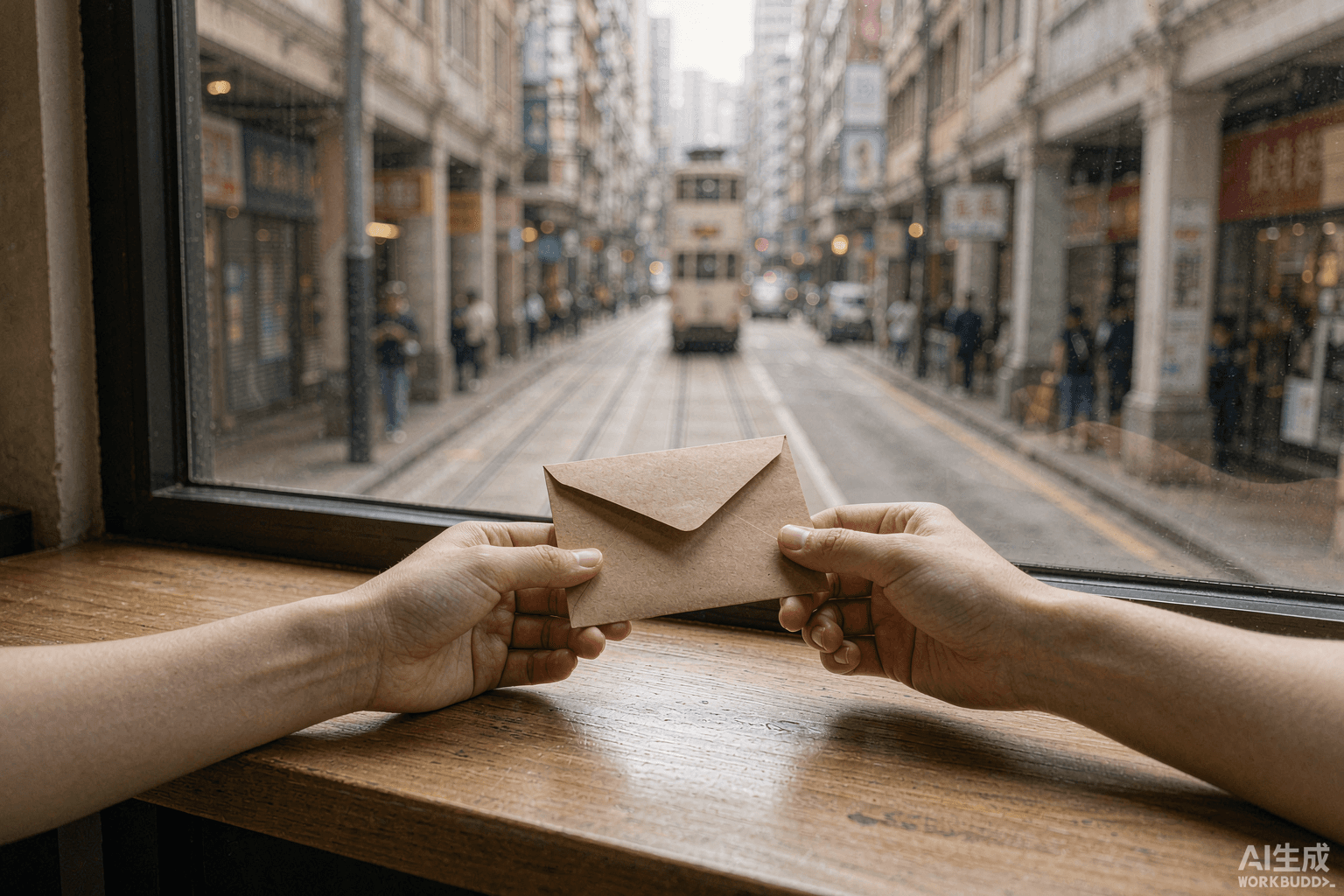
An experience-based souvenir is a bookable voucher: a pottery workshop, a tea class, an exhibition ticket, a craft course. What you give isn't an object—it's a stretch of time that says "go whenever it suits you."
It solves those three headaches directly: it doesn't take up luggage (the voucher lives on a phone or a card), it doesn't break (nothing fragile), and it doesn't clash (everyone's experience is different).
Five criteria for choosing an experience-based souvenir
1. Can it be booked online?
This is the most important one. If the only options are calling or queuing in person, the recipient will most likely keep putting it off. Prioritize experiences with a clear online booking page and visible time slots.
2. How long is it valid?
Experience vouchers usually have an expiry date. Too short, and the recipient can't fit it in; too long, and it's easy to forget. State the validity clearly when you give it—that's more gracious than a reminder later.
3. Can it be transferred?
Even the most thoughtful person may not be able to find the time. Experiences that can be transferred or rescheduled get used far more often. Asking "can it be changed if I can't make it?" before buying saves a lot of awkwardness later.
4. Is the location easy to reach?
Hong Kong's experience spaces are clustered: Sheung Wan has plenty of tea and coffee, West Kowloon has museums and the waterfront, and Mid-Levels in Central has lots of studios. Pick a spot reachable directly by MTR with things to browse nearby, and the experience is far more likely to happen.
5. Are the voucher instructions clear?
A good voucher spells out three things: where it is, how to book, and what to show on arrival. A vague voucher means the recipient keeps asking you questions, and the goodwill of the gift gets diluted.
Who shouldn't be given an experience
First: people who clearly want a physical object. Some people don't know what to do with "a piece of paper," especially older relatives who aren't used to booking online. Second: people with very little time. An experience requires setting aside half a day; if they're working weekends, it'll just sit unused.
In other words, experience-based souvenirs are best for people who "have everything except a bit of novelty"—colleagues, friends, family members who already own every household item.
Two details for giving it graciously
First, include a handwritten note. Spell out what it is, how to book, roughly how long it takes, and when it's best to go. A note costs almost nothing, but it turns "a voucher" into "an invitation that's been arranged."
Second, don't overdo the "surprise." With experience gifts, it's best to reveal the general idea in advance so the recipient can prepare mentally. The real surprise should come from the experience itself, not from the anxiety of "what exactly did I get?"
The connection to blind boxes
Some curated blind boxes include experience vouchers—you don't know which kind you'll get until you open it; it might be pottery, or it might be a tea class. This design layers "souvenir" and "surprise" together, and suits people who are happy to try new things.
But note: whoever receives an experience voucher has to book it and show up themselves. If you know the recipient has to schedule dinner two weeks ahead, this gift is better swapped for something physical they can use right away.
A modest budget can still be gracious
Experience-based souvenirs don't have to be expensive. An exhibition ticket, a single tea class, a two-hour workshop often costs less than a beautifully packaged box of pastries—but it's remembered far longer.
The key to saving money is "choose something small but complete," not "pick cheap things to make up the numbers." One two-hour pottery experience is worth more than three vague discount coupons—the former has a clear beginning and end; the latter just gets shoved in a drawer.
Another approach is to "pool one gift." Several people chip in for one experience: the per-person cost is low, and the recipient gets something complete with no top-up needed. That's more gracious than everyone giving a small item separately.
A few common pitfalls
Pitfall one: giving only the voucher, no instructions. The recipient doesn't know to book, doesn't know where it is, doesn't know what to bring—and it never happens.
Pitfall two: choosing an experience that only runs as a group. For example, a class that needs four people—if the recipient can't gather enough, the voucher goes to waste. Prioritize options that one person can do alone.
Pitfall three: ignoring language. Some workshops are Cantonese-only; give that to a friend who doesn't speak Cantonese and it'll be awkward on the day. Ask before booking: "Are there Mandarin or English sessions?"
Pitfall four: treating the voucher as "usable anytime." Most experiences require advance booking, and popular slots can be weeks out. A reminder to "book early" when you give it is more useful than explaining afterward.
When is the best time to give it
The best moment for an experience-based souvenir is when "the recipient has been exhausted lately but can't quite say what's missing." Birthdays and holidays work, of course—but by then they've often received a pile of physical gifts, so your voucher stands out even more.
Another good moment is "just after they've moved, just changed jobs, or just finished a big project." At those points, people need a breather, not one more thing to store.
Conversely, when someone is busy, about to travel for work, or caring for family, don't give an experience that takes half a day—that's not a gift, it's a to-do item.
Summary
The value of a souvenir isn't in the price—it's in how long it's remembered. A box of egg rolls is forgotten once it's eaten; a pottery class might be talked about for years. Next time you head back from Hong Kong, if you don't want to lug big bags again, try saving the luggage space and swapping it for a voucher to an appointment worth keeping.
Key facts
- Souvenir format
- Bookable local experiences such as pottery, tea classes, exhibitions, and workshops
- Voucher validity
- As announced by the merchant; explain it when giving the gift
- Best suited for
- People who don't need physical objects and are willing to spend time on an experience
- Not suited for
- People who want a physical item on the spot or find online booking inconvenient
Sources
Related stories
What does full case mean? Will buying a whole case give duplicates?
"Full case" is the most common term and also the most easily misunderstood. This article explains what a full case actually changes, why a full case doesn't equal no duplicates, and under what product structures "duplicates" aren't an issue at all.
What is UNBOX: how does one unboxing turn into a city discovery
UNBOX is MY LUCKY MALL's curated blind box: each box combines 3–5 items selected by algorithm and human curation, including physical items and some local experience vouchers, with the total value of the items guaranteed to be no less than the purchase price. This article explains the five-step process, what's in the box, the role of surprise items, and how it differs from traditional blind boxes.