What's the deal with blind box probabilities? Understand expected value before talking guarantees
A blind box's probabilities are set and disclosed by the merchant, and hidden items usually account for only a very small proportion; multiply each item's probability by its value and add it all up to get the expected value, which is often below the selling price — the difference is the premium you pay for the surprise. UNBOX does things differently: no rarity gradient, and the total value of the items opened is guaranteed to be no less than the selling price, leaving uncertainty in "what you'll open," not in "is it worth it."

MY LUCKY MALL Editorial
Content team
Key takeaways
- •A blind box's probabilities are set and disclosed by the merchant, and hidden items usually account for only a very small proportion; multiply each item's probability by its value and add it all up to get the expected value, which is often below the selling price — the difference is the premium you pay for the surprise
- •UNBOX does things differently: no rarity gradient, and the total value of the items opened is guaranteed to be no less than the selling price, leaving uncertainty in "what you'll open," not in "is it worth it"
How are blind box probabilities and guarantees calculated? How should you think about them rationally?
A blind box's probabilities are set and disclosed by the merchant, and hidden items usually account for only a very small proportion; multiply each item's probability by its value and add it all up to get the expected value, which is often below the selling price — the difference is the premium you pay for the surprise. UNBOX does things differently: no rarity gradient, and the total value of the items opened is guaranteed to be no less than the selling price, leaving uncertainty in "what you'll open," not in "is it worth it."
How probabilities are written into the rules
Traditional blind box play is built on a "rarity gradient": within a series, common items make up the majority, rare items are fewer, and hidden items usually account for only a very small proportion. This ratio is set by the merchant and should be disclosed to consumers — printed on the box, written on the detail page, or posted in the store. Probability disclosure is the first step in judging whether a blind box is transparent: if the ratios aren't even written down, fairness is out of the question.
Expected value: turning "luck" into a number
Multiply each item's probability by what it's worth, then add it all up — that's the expected value of the blind box. Take an abstract example: if a box sells for 100, with a 90% chance of opening something worth 80 and a 10% chance of something worth 200, the expected value is 0.9×80 + 0.1×200 = 92 — lower than 100. That difference of 8 is the premium you pay for "the possibility of a surprise."
An expected value below the selling price isn't necessarily a bad thing — the surprise itself is part of the product. The problem is this: when the hidden-item ratio is extremely low and the value of common items is clearly low, the expected value gets dragged down very low, and the surprise premium turns into a pure probability tax. If you can do this bit of math, you won't be led along by "the next one is the hidden item."
Three kinds of "guarantee" are not the same thing
The word "guarantee" has at least three meanings: a piece-count guarantee, ensuring each box contains a certain number of items; a specified-item guarantee, ensuring that by a certain box you'll definitely get a particular item; and a value guarantee, ensuring the total value of the items you open is no less than what you paid. The three are worlds apart in substance — the piece-count guarantee is the most basic, the specified-item guarantee is the hardest to come by, and the value guarantee directly answers "is it worth it." When you look at the rules, ask first: which one is it actually guaranteeing?
Two lines of defence for Hong Kong consumers
In Hong Kong, the Trade Descriptions Ordinance (Cap. 362) places clear constraints on false or misleading trade descriptions; if a merchant's probability claims don't match reality, that falls within the scope of accountability. On a personal level, two things are worth doing: keep records of your orders and promotional pages so you have evidence if a dispute arises; and when unsure, check the Consumer Council's public information before deciding.
UNBOX's alternative approach: keeping risk outside the box
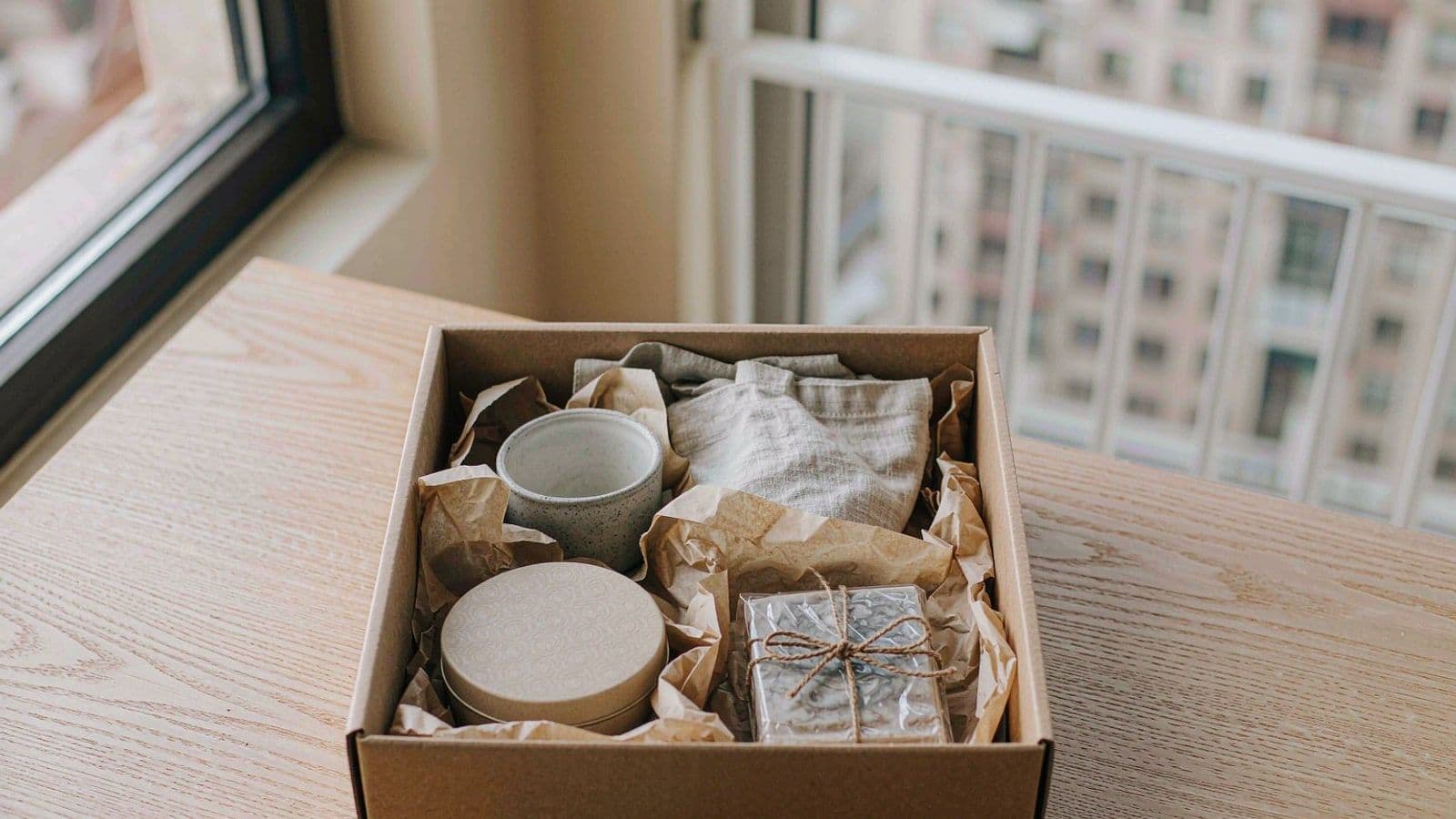
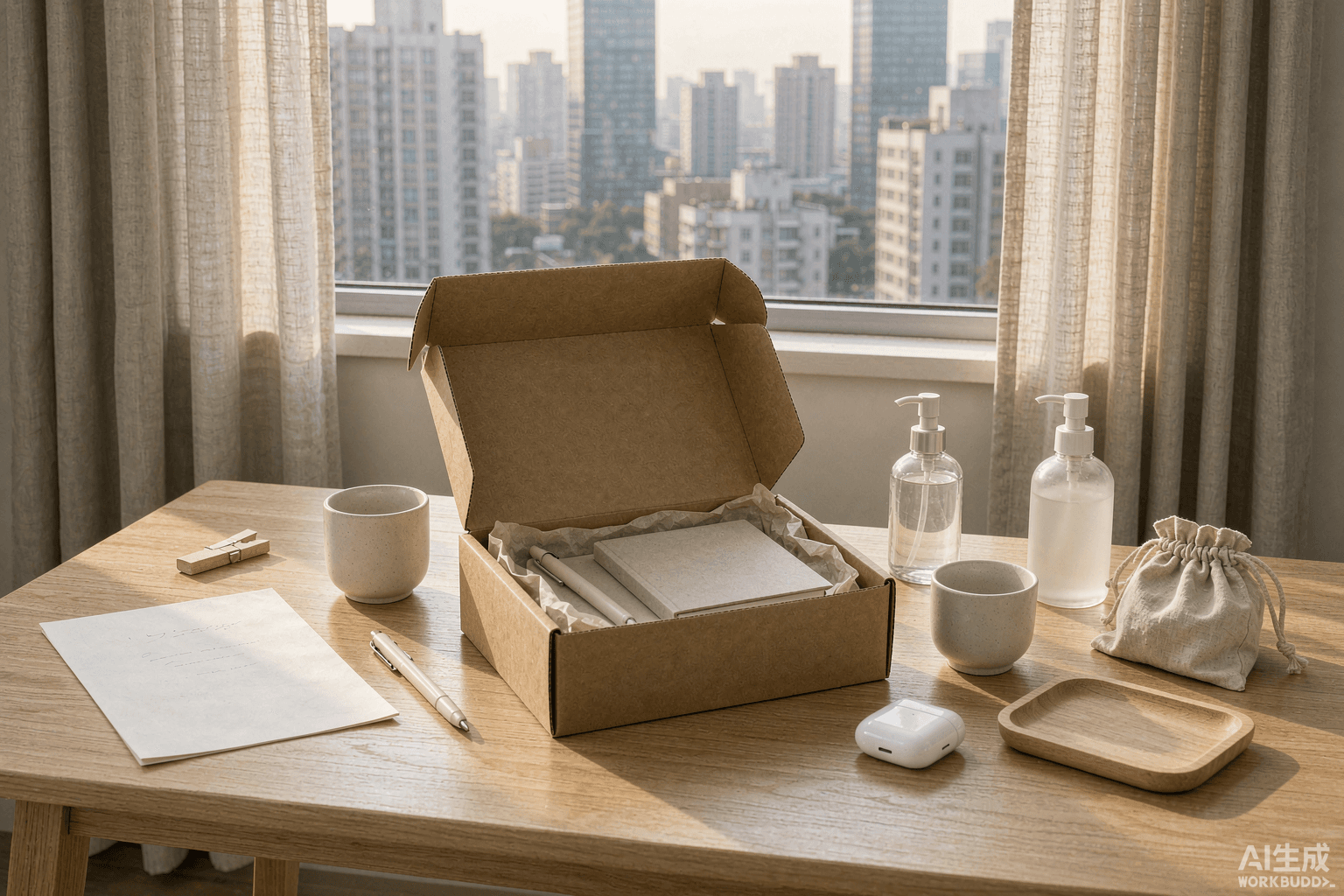
UNBOX is MY LUCKY MALL's curated blind box, and it takes a different path in its mechanics: there is no rarity gradient and no hidden items; each box combines 3–5 physical items selected by algorithm and by hand, the total value of the items opened is guaranteed to be no less than the selling price, and after unboxing you can view an item-by-item valuation in the App. In other words, you don't have to bet on "is it worth it" — the surprise is reserved for "what you'll open," and risk is kept outside the box.
In one sentence: for probability games, look at expected value; for curated blind boxes, look at the guarantee. Whichever you choose, read the rules before you order — the clearer a product's rules are written, the more it deserves your budget.
Key facts
- Expected value
- Each item's probability multiplied by its value, then added up; often below the selling price
- UNBOX mechanics
- No rarity gradient or hidden items; total value of items opened is no less than the selling price
- Valuation lookup
- After unboxing, view an item-by-item valuation in the App
- Not promised
- No promise of appreciation, premium, or investment returns