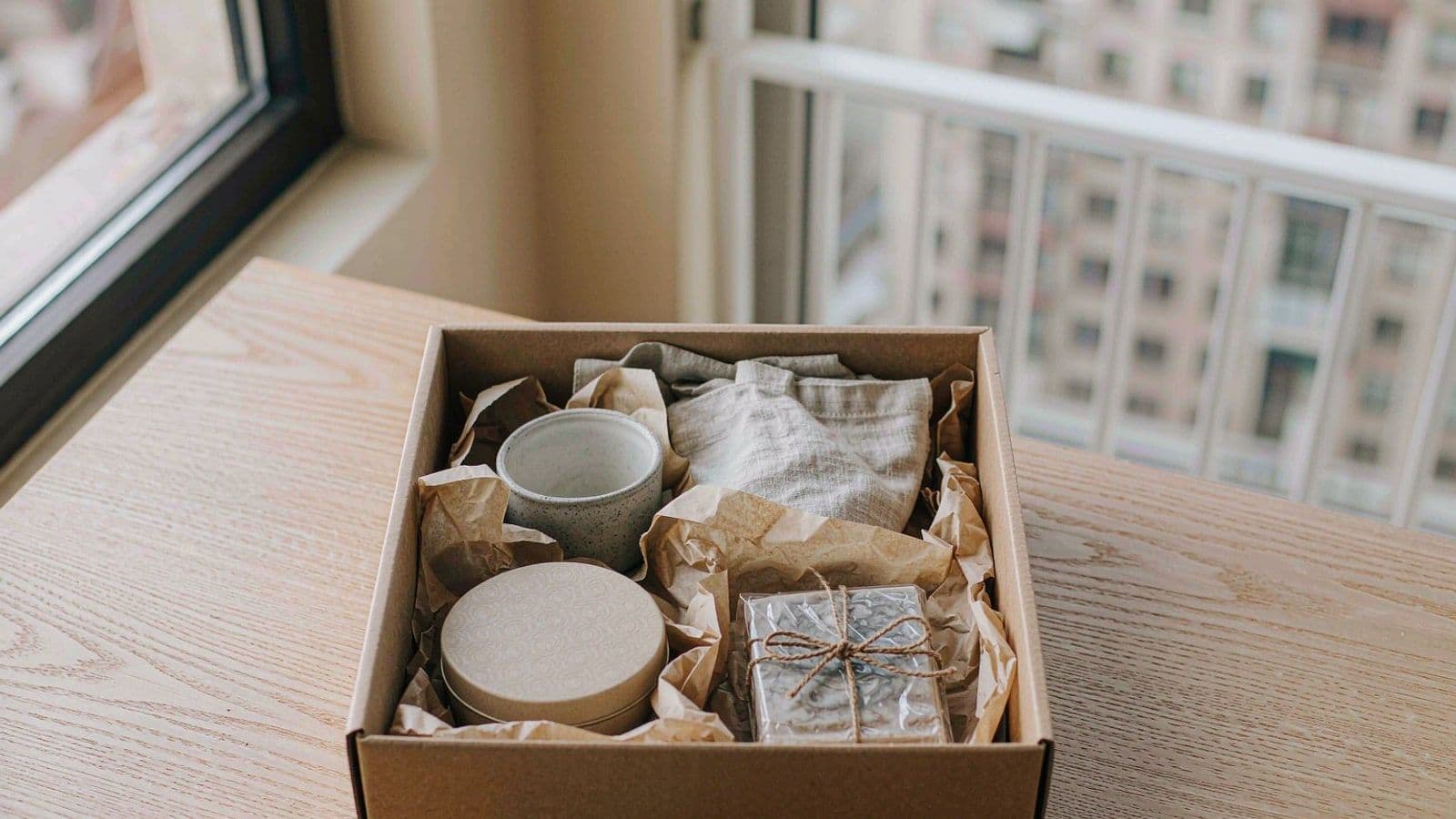
Received an unwanted blind box item — can you return it? Four ways to handle it
You first need to identify the reason for "not wanting it." If it's a fulfilment problem — damage, wrong shipment, or mismatch with the page description — it's the merchant's responsibility, and you can request an exchange or follow the after-sales process. If it's merely subjective dislike of the taste or already owning similar items, it's usually not within the scope of returns, because the core of a blind box is "not knowing before opening," and allowing "don't like it, so I can return it" would undermine the fairness of that mechanism. More practical routes are giving it away, reselling second-hand, repurposing, or donating.

MY LUCKY MALL Editorial
Content team

Key takeaways
- •First identify the reason: fulfilment problems (damage, wrong shipment, mismatch with description) are the merchant's responsibility
- •Subjective dislike is usually not returnable — this is part of the blind box mechanism, not the merchant being harsh
- •Four routes for unwanted items: give away, resell second-hand, repurpose, donate
- •Duplicate items can be discussed under the return/exchange policy, or simply passed on to someone who can use them
- •The key to reducing pitfalls is before buying: check the content range and your actual needs
Can I return an unwanted item from a blind box? What should I do with it?
You first need to identify the reason for "not wanting it." If it's a fulfilment problem — damage, wrong shipment, or mismatch with the page description — it's the merchant's responsibility, and you can request an exchange or follow the after-sales process. If it's merely subjective dislike of the taste or already owning similar items, it's usually not within the scope of returns, because the core of a blind box is "not knowing before opening," and allowing "don't like it, so I can return it" would undermine the fairness of that mechanism. More practical routes are giving it away, reselling second-hand, repurposing, or donating.
First, break down "don't want it": four completely different situations
The phrase "don't want it" actually mixes four different reasons, and each one calls for a completely different approach. Figure out which one applies, so you don't use the wrong method and get angry for nothing.
First: the item is damaged, the wrong item was sent, or it clearly doesn't match the page description. This is a fulfilment problem, the responsibility lies with the merchant, and you have the right to request an exchange or follow the after-sales process. Second: the item is intact and matches the description, but it's not to your taste. Third: the item is fine, but you already have an identical one. Fourth: the item is intact, but you simply have no use for it.
The last three all fall under "the probability cost that comes with blind boxes" — you're buying "not knowing what you'll get," so "getting something you don't like" is part of that mechanism. This isn't the merchant being harsh; it's what fairness of the mechanism requires: if "don't like it, so I can return it" were allowed, that would shift the uncertainty onto the merchant one-sidedly.
Can it be returned: the dividing line between two situations
The dividing line is "whose responsibility it is." Damage, wrong shipment, or mismatch with the description means the merchant didn't deliver as agreed, which is a situation where you can claim an exchange. Subjective dislike of the taste or already owning a similar item is a change in the consumer's own preferences, and is usually not within the scope of returns.
When you run into a fulfilment problem, the most effective approach is to keep evidence: record a video when unboxing, clearly showing the outer packaging, the item's condition, and the labels. Then explain the situation through the customer service channel in the official App, attaching the order number and photos. A clear factual description is more likely to get a quick response than an emotional one.
One more reminder: don't try to claim after-sales service through "transfer vouchers" bought via unofficial channels — such transactions have no platform records, and defending your rights will be very difficult.
Four more practical ways to handle it
One: give it away
The least troublesome route. Something you don't like might be exactly what someone else needs. Give it to a friend, a family member, or leave it in a shared corner at the office — zero cost, and you've done someone a favour along the way. Blind box items are mostly daily necessities and handmade goods with strong practicality, and they're usually accepted more readily than you'd imagine.
Two: resell second-hand
If the item has some value, you can list it on a second-hand platform. Two things to note: first, describe the source and condition truthfully to avoid disputes; second, have reasonable price expectations — second-hand prices for blind box items are usually below retail, and only popular items have room for a premium, so don't price at "original price."
Three: repurpose it
Some items are just "not in your use scenario," and a different use makes them useful. Fragrance can go in the wardrobe, a cup can serve as a pen holder, fabric can become a storage bag. Spending five minutes thinking about where else it could be used is more worthwhile than letting it sit idle.
Four: donate
Brand-new daily necessities can be donated to local charities or community centres. Before donating, confirm the item's condition and the recipient's needs list — don't turn your own disposal cost into someone else's clearance cost.
How to avoid pitfalls next time
First, check the content range clearly before buying. Legitimate products state the categories that may be included in the box; the clearer the range, the more accurate your expectations. Second, ask yourself first, "If I get the category I least want, can I accept it?" — buy only if you can. Third, when trying for the first time, buy a single box rather than a whole set, calibrating your preferences at the lowest cost.
One more point worth mentioning: a value guarantee solves "is it worth it," not "do I like it." Products with a guarantee ensure the total value of what you get is no less than the price, but you may still dislike one of the items — these two things were never meant to be expected together.
Do one thing before unboxing: keep evidence
One video can save a lot of back-and-forth. Before opening, film the complete state of the outer packaging, then film the opening process, and finally give each item a close-up. No editing needed — just film casually with your phone; the key is being able to see clearly "what it looked like before opening."
If an item is damaged, besides filming the item itself, also film the dents on the outer box and the courier label. Many damage disputes end up stuck on "was it a shipping problem or caused by the person after opening" — a complete unboxing video solves that question directly.
This advice applies not only to blind boxes; any purchase where you pay first and receive later is worth doing this for. Thirty seconds buys you the upper hand when defending your rights.
How to write a description and set a price for resale
The description should clearly cover four things: the item's name and specifications, whether it's brand new and unused, the source (opened from a blind box), and whether there are any flaws. Better to write too much than to have the buyer feel "it's not as described" after receiving it — the time cost of one dispute is far higher than two extra lines.
The logic for pricing is to reference similar items currently on sale, not the original price. First search the platform for the same item, see what others are listing it for and whether anyone is asking, then set a price slightly below market. Second-hand prices for blind box items are generally below retail — that's normal, no need to feel you're losing out.
One more bottom line: don't beautify flaws just to sell faster. Shoot clear photos and state the shortcomings plainly; the sale may be slower, but there won't be returns or complaints, which is easier overall.
Before giving something away, ask first
Giving something away isn't the same as clearing inventory. Stuffing something you don't need onto someone else just leaves them facing "I don't know what to do with this" — you've only shifted the problem once.
The more considerate approach is to ask first: "I got an extra XX from a blind box, brand new — could you use it?" If they say yes, give it; if not, move on to the next option. One sentence costs little, but it keeps a gift looking like a gift.
If it's for a colleague or friend, you can explain the source when handing it over — no need to hide that "this came from a blind box." Most people don't mind; they may even find it interesting and want to hear how you got it.
Summary
When you get an item you don't want, first judge whether it's a fulfilment problem: if yes, go through after-sales; if not, don't spend your energy on "can I return it." Giving it away, reselling, repurposing, and donating — all four routes are more useful than getting angry. What's really worth investing in is the judgment before buying — lowering the probability of "not wanting it" is easier than dealing with it afterwards.
Key facts
- Fulfilment problem
- Damage, wrong shipment, or mismatch with description — exchange or after-sales process available
- Subjective preference
- Dislike of the taste or already owning multiple similar items — usually not within the scope of returns
- Duplicate items
- Can be discussed under the return/exchange policy, or given to someone else
- After-sales channel
- Contact customer service in the official App