How is UNBOX different from traditional blind boxes? A point-by-point comparison of two styles
The core difference lies in "where the uncertainty is placed." Traditional blind boxes put uncertainty in rarity: within the same series there are common and hidden editions, surprise is created through probability, and value fluctuates with edition. UNBOX puts uncertainty in content: no rarity tiers, each box contains 3–5 cross-category items selected by algorithm and by hand, and the total value of the items opened is guaranteed to be no less than the price. The former bets on "pulling a rare edition," the latter on "what you'll open."

MY LUCKY MALL Editorial
Content team
Key takeaways
- •Traditional blind boxes: uncertainty in rarity, surprise through probability, value fluctuating with edition
- •UNBOX: uncertainty in content, no rarity tiers, 3–5 curated items per box
- •A value floor addresses "is it worth it"; rarity tiers address "is it rare"—they are not the same thing
- •The collecting and set-completing fun of traditional blind boxes is not offered by UNBOX—this is a trade-off, not a matter of better or worse
- •First decide whether you want "set collecting" or "an unboxing experience," then choose your style
What's the difference between curated blind boxes (UNBOX) and traditional blind boxes?
The core difference lies in "where the uncertainty is placed." Traditional blind boxes put uncertainty in rarity: within the same series there are common and hidden editions, surprise is created through probability, and value fluctuates with edition. UNBOX puts uncertainty in content: no rarity tiers, each box contains 3–5 cross-category items selected by algorithm and by hand, and the total value of the items opened is guaranteed to be no less than the price. The former bets on "pulling a rare edition," the latter on "what you'll open."
Start with the most fundamental difference: where the uncertainty lies
Both products are called blind boxes because they share the same action: you don't know what's inside until you pay. But what you "don't know" is designed completely differently.
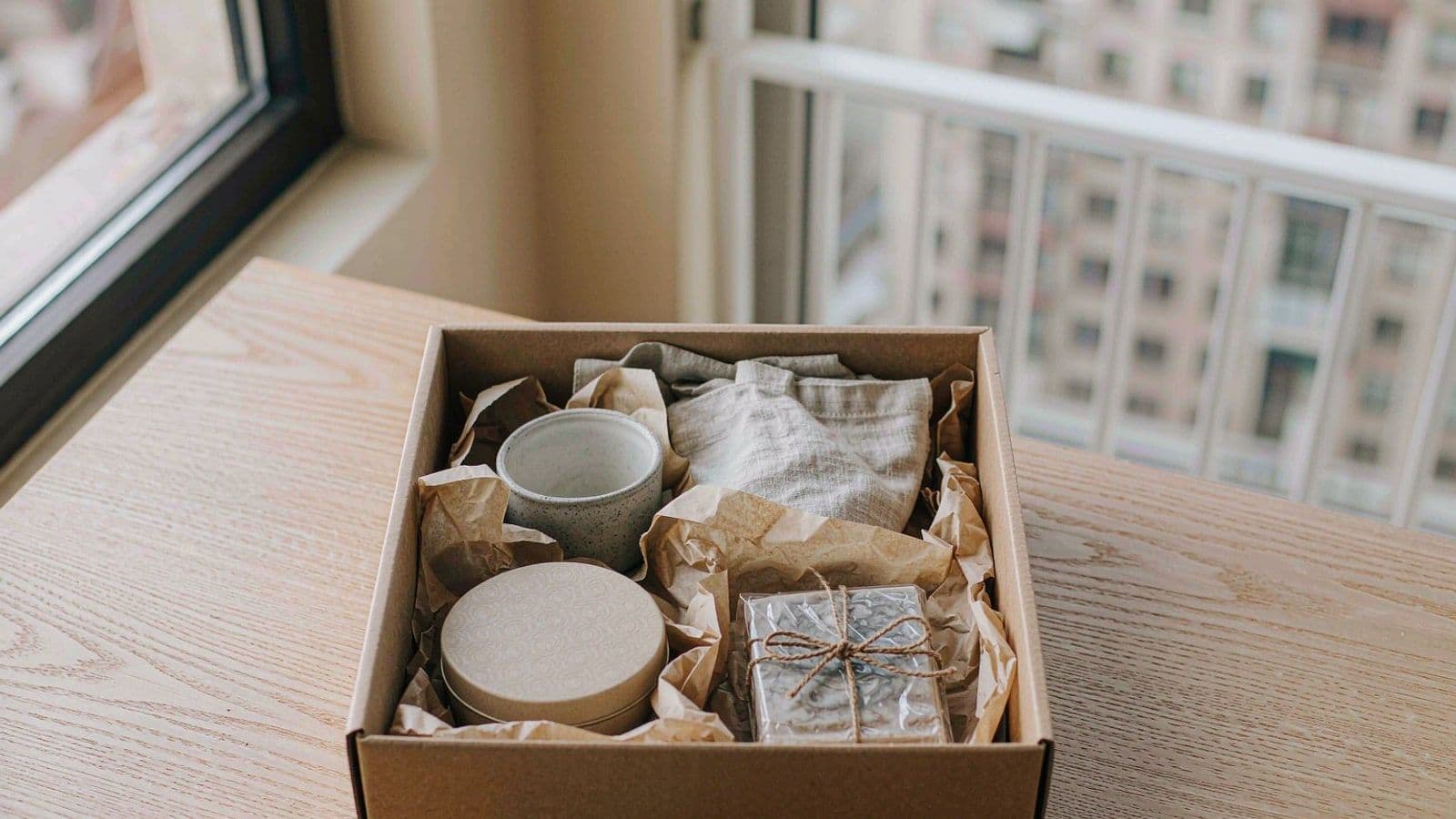
Traditional blind boxes put the uncertainty in rarity: within the same series there are common, rare, and hidden editions, with ratios set by the merchant, and which one you get depends on probability. The surprise comes from "I might be the one who pulls the hidden edition." UNBOX puts the uncertainty in the content: it has no rarity tiers, and each box is filled with 3–5 items selected by algorithm and by hand from different categories. You don't know what you'll open, but you don't have to worry about "getting the most ordinary one."
A point-by-point comparison across five dimensions
1. Rarity structure
Traditional blind boxes have rarity tiers, and hidden editions usually make up only a tiny proportion, which is also the main source of secondary-market premiums. UNBOX has no rarity tiers and no hidden editions—the value of each item varies, but scarcity is not manufactured through a "rare edition."
2. Value certainty
The value of a traditional blind box fluctuates with the edition you pull: pull a common one and the value may be below the price; pull a hidden one and it may be far above. Weighting each edition's value by probability usually gives an expected value below the price, and the difference is the premium you pay for the surprise. UNBOX's approach is a value floor: the total value of the items you open is guaranteed to be no less than the price, so the uncertainty stays in "what you'll open," not in "is it worth it."
These two things are often conflated: a value floor addresses "will I lose out," while rarity tiers address "is there anything rare." The former is risk control, the latter is a collecting incentive.
3. Content sources
Traditional blind box items are mostly industrial products from the same IP or the same series, striving for uniformity, with differences showing in edition and paintwork. Curated blind box items come from different categories and different brands; UNBOX's combinations include local handmade goods, daily necessities, and fragrance, and may also include city experience vouchers—the boxes don't aim for uniformity but for freshness in the combination.
4. Duplicates and collecting
Half the fun of traditional blind boxes is collecting: completing a set, filling in the missing one, trading duplicates. This mechanism naturally encourages repeat purchases. UNBOX has no concept of "completing a set"—the contents of the second box you buy are different to begin with, and what you collect shifts from "editions" to "experiences." People who like lining up a row of figures from the same series will feel this style is missing something—and that has to be acknowledged.
5. Who it suits
Traditional blind boxes suit people who enjoy probability, value rare editions, and like displaying complete sets. Curated blind boxes suit people who are more interested in "unexpected category combinations," want something different each time, and don't chase complete sets. Neither is superior; it's just about which fits your spending habits better.
What the two have in common
Both require payment first and reveal later, both rely on "the moment of unboxing" for emotional value, and both require consumers to be mentally prepared for uncertainty. The difference lies in where the uncertainty lands and what mechanism the merchant uses to provide a safety net.
One more thing in common: neither should be treated as an investment tool. Secondary-market prices for blind boxes come from supply, demand, and sentiment; they don't represent the value of the items themselves and constitute no promise of returns. Treat blind boxes as financial planning and both styles will disappoint you.
How to choose: three questions
First question: do you enjoy "the moment I might pull something rare," or "let's see what it is this time"? The former points to traditional blind boxes, the latter to curated blind boxes.
Second question: can you accept "I paid but what I got isn't special"? If this question makes you uncomfortable, prioritize a style with an explicit value floor.
Third question: do you want a series you can display and complete, or a one-off experience? Want a series, choose traditional blind boxes; want an experience, choose curated.
A common misconception: without rarity, is there no surprise?
Many people encountering curated blind boxes for the first time ask: since there are no hidden editions, what's the point of unboxing? Behind this question is an assumed premise—that surprise must come from "rarity."
But surprise actually has two sources: one is scarcity (I got something others can't get), the other is the unknown (I never would have guessed it would be this). Traditional blind boxes mainly provide the first; curated blind boxes provide the second. Open a box and inside is a handmade cup by a local ceramic artist, or a ticket to an exhibition—that "I didn't expect this" reaction is the same emotion as pulling a hidden edition, just from a different source.
The difference between the two lies in how repeatable the surprise is. The surprise of a rare edition can only be used once—once you pull it, pulling it again is a duplicate. The surprise of unknown content can repeat, because the next combination is different to begin with. This also explains why curated blind boxes don't really need rarity to sustain appeal.
Of course, the cost is less of the fun of "collecting." People who like displaying a whole set will feel this style lacks a sense of purpose. There's no right or wrong here, just different design orientations.
Price, value, and the secondary market
In the pricing logic of traditional blind boxes, the price includes a "probability premium": because there's a chance of pulling a high-value rare edition, consumers are still willing to buy even when the expected value is below the price. Secondary-market prices amplify this expectation—hidden editions get bid up to several times their price, while common ones fall below retail.
Curated blind box pricing is closer to "bundle retail": the total value of the items inside has a floor (no less than the price), and the ceiling depends on whether the combination includes high-priced items. It has no possibility of "getting rich off one edition," so the imaginative upside in the secondary market is much smaller.
Each structure has its cost: the former trades high volatility for anticipation, the latter trades low volatility for certainty. Which to choose depends on whether you can accept "spending the same money and possibly getting far less than expected." If that possibility would upset you, choose the side with a floor.
Summary
Traditional blind boxes sell "the possibility of rarity"; curated blind boxes sell "the surprise of content." The former puts risk in value fluctuation and compensates with hidden editions; the latter pins risk to a value floor and limits uncertainty to "content." Understanding this structural difference is more useful than arguing over which is more fun.
Key facts
- UNBOX composition
- 3–5 physical items per box, some with local brand and city experience vouchers
- Rarity
- No rarity tiers or hidden editions
- Value floor
- Total value of items opened is no less than the price
- Value basis
- No promise of appreciation, premium, or investment returns