What should I do if there's a problem after receiving a blind box? UNBOX returns and exchanges, defects, and voucher expiry handling
UNBOX's after-sales is routed by three types of issues: product defects and duplicate items go through the exchange or compensation process, value disputes are reported using the itemized breakdown in the App, and experience vouchers are redeemed according to the validity period published by the merchant. After unboxing, please first keep the unboxing record and product photos, then submit through App customer service or the Support Center; the specific time limits are subject to what the Support Center publishes.

MY LUCKY MALL Editorial
Content team
Key takeaways
- •Damage, defects, wrong items, and duplicate items are fulfillment issues and can go through exchange or compensation
- •"Not liking it" and "not the one I wanted" are inherent uncertainties of blind boxes and are not covered by returns or exchanges
- •Voucher expiry is the most common source of loss; note the validity period on the day of unboxing
Can I return or exchange blind box items if there's a problem? What if the voucher expires?
UNBOX's after-sales is routed by three types of issues: product defects and duplicate items go through the exchange or compensation process, value disputes are reported using the itemized breakdown in the App, and experience vouchers are redeemed according to the validity period published by the merchant. After unboxing, please first keep the unboxing record and product photos, then submit through App customer service or the Support Center; the specific time limits are subject to what the Support Center publishes.
The letdown at the moment of unboxing is often not that "the item is bad," but that "it's not what I expected." Products like blind boxes inherently carry an expectation gap, so whether the after-sales rules are clearly written directly determines whether an experience ends well or goes wrong. This article separates the three most common post-unboxing issues: problems with the product itself, disputes over value, and experience vouchers that can't be used.
After-sales is routed by issue type: product defects and duplicate items go through exchange or compensation, value disputes are reported using the itemized breakdown in the App, and experience vouchers are redeemed according to the validity period published by the merchant.
First distinguish the three types of issues, then find the corresponding entry point
Many conversations are inefficient because three different types of issues get mixed together. First check the table below to confirm which category you fall into, then use the corresponding entry point—usually it can be explained clearly in one go.
Issue type | Typical situation | Handling method | Entry point |
|---|---|---|---|
Product issue | Damage, defects, wrong item, duplicate item | Exchange or compensation | App customer service / Support Center |
Value dispute | Believing a stated value doesn't match the actual item | Report for review using the itemized breakdown in the App | Value breakdown page in the App |
Voucher issue | Not received, cannot be redeemed, nearing expiry | Handle per the merchant's published rules or reschedule | Voucher details page / customer service |
The boundaries of returns and exchanges: what can be exchanged, what cannot
The "uncertainty" of blind boxes is part of the product design, so the return and exchange rules are not exactly the same as ordinary e-commerce. The boundaries can be understood as two lines:
- What can be handled are "objective issues": damage, defects, wrong item, duplicate item—these have nothing to do with "what was opened" and are fulfillment quality issues.
- What cannot be handled is "not liking it": the color isn't to your taste, the style isn't the one you wanted, or you feel it wasn't worth it after opening—these fall under the inherent uncertainty of blind boxes.
- In between is the "value dispute": if you believe the stated value clearly doesn't match the actual item, this is not subjective preference, and you can apply for review using the breakdown.
This boundary is not about shirking responsibility, but about making the rules predictable. If "you can return it even if you don't like it," blind boxes would become trial-able e-commerce, and the value guarantee would lose its meaning.
Duplicate items: the most common reasonable request
Duplicate items are the issue blind box users encounter most often and most easily overlook—especially after multiple orders. The handling principle is: duplication itself does not constitute a defect, but if the same item is duplicated within the same order, or highly overlaps with historical orders, you can contact customer service to explain the situation and go through exchange or compensation according to the return and exchange policy.
When communicating, clearly state three things and handling will be much faster: the order number, the specific duplicated product, and whether the duplication is within the same order. Attaching unboxing photos is even more direct.
Defects and damage: keeping evidence is more effective than arguing
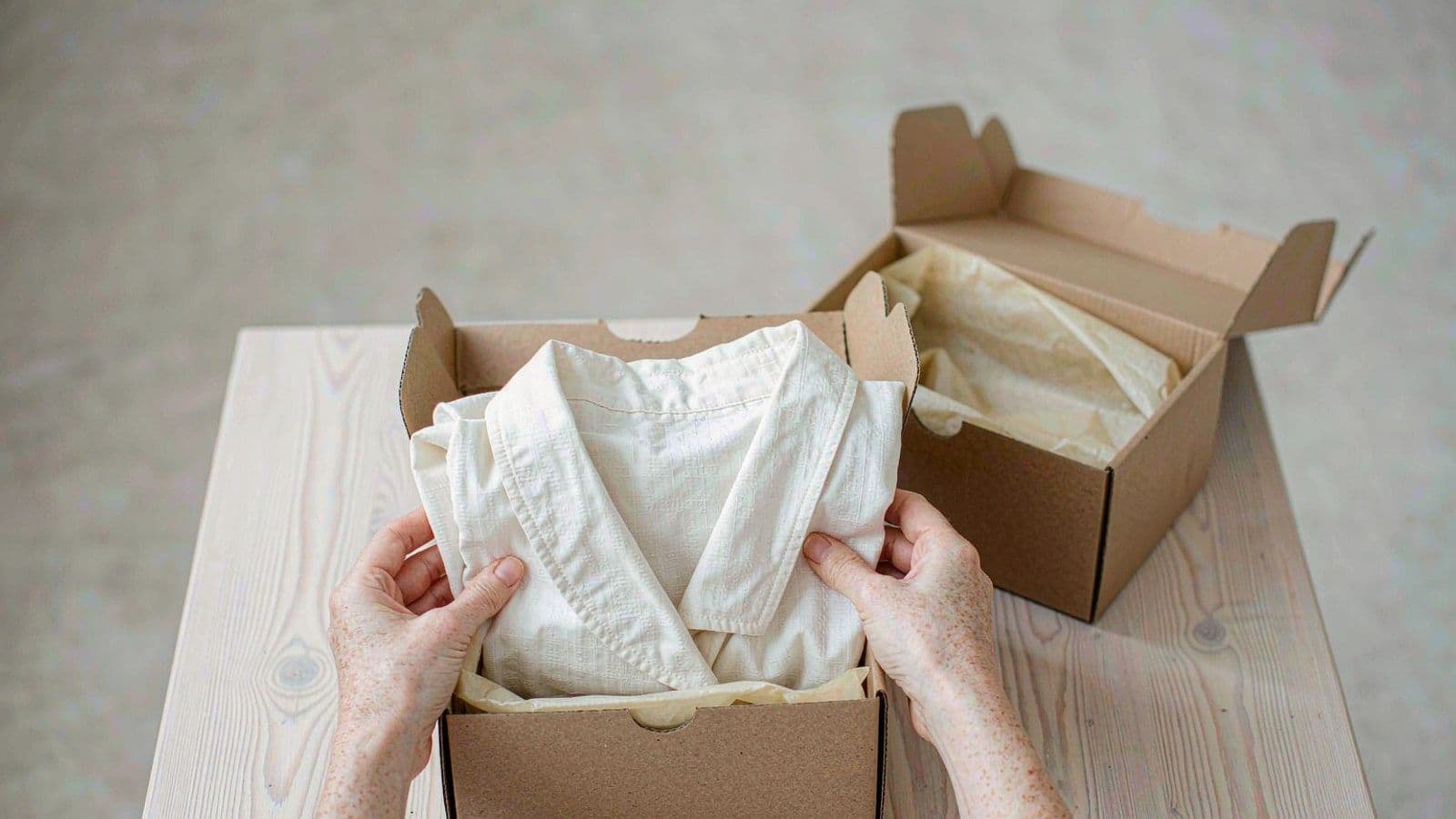
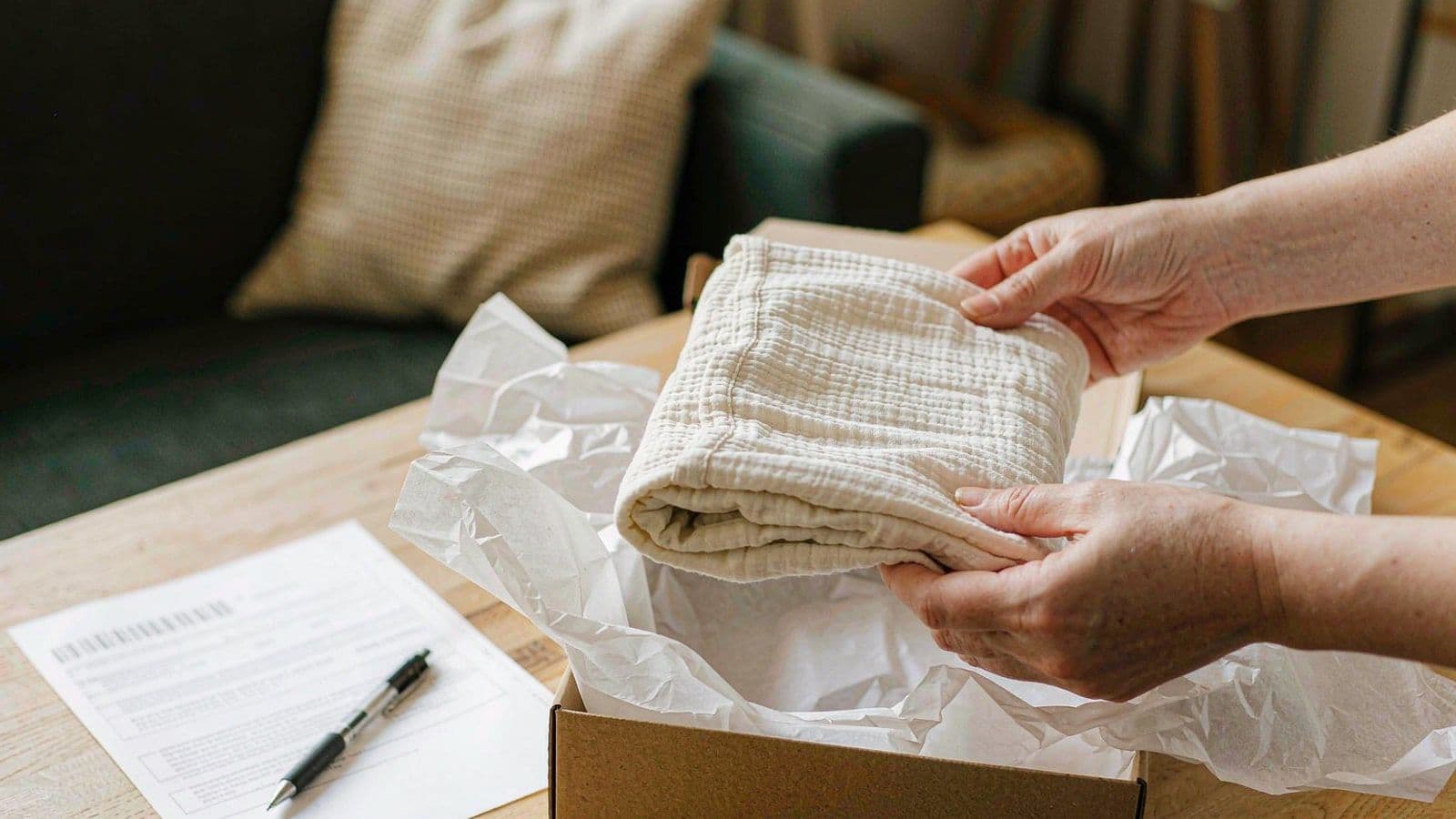
Product damage is a typical fulfillment issue with no room for dispute in handling; the key is evidence. It is recommended to do it in this order:
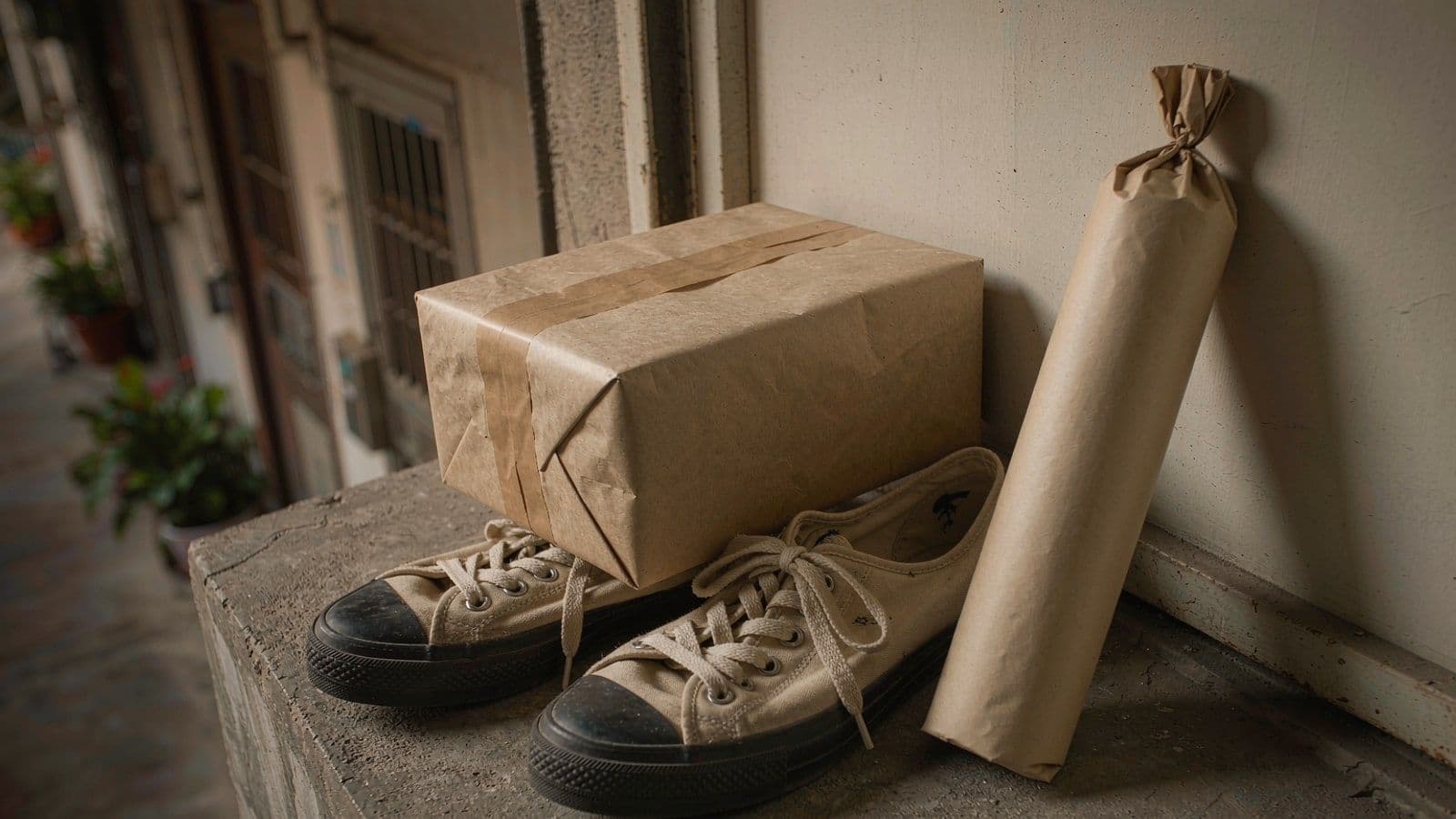
- When unboxing, first take a photo of the unopened outer packaging and keep the shipping label.
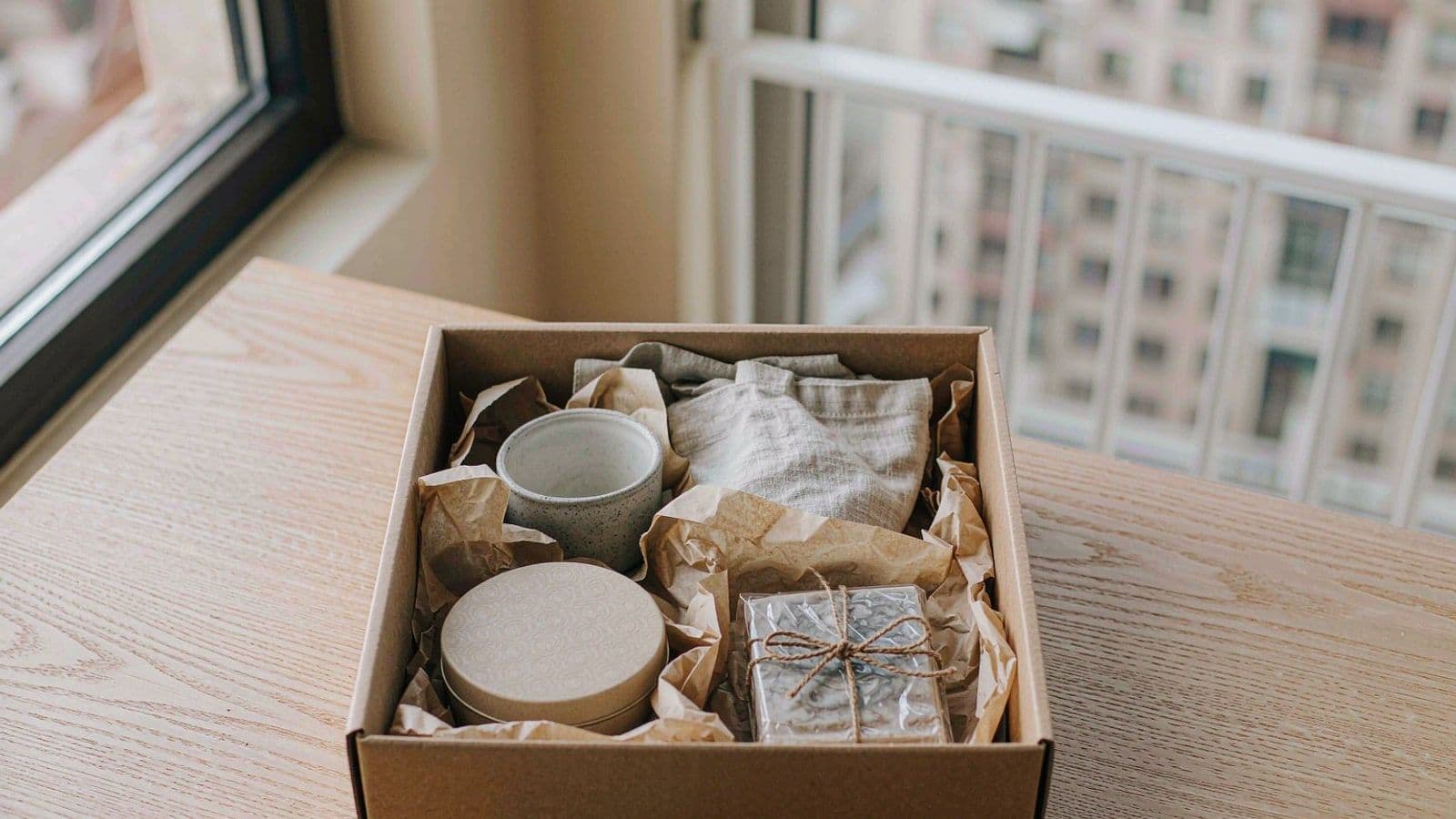
- After opening, take a close-up of the damaged area, and also take a wide shot that shows the overall packaging.
- When submitting the after-sales request in the App, attach the photos together with the order number.
- Keep the original packaging and the product itself until the result is confirmed, to avoid affecting the exchange.
There is no need to write hard deadlines like "must report within a few hours" here, because verification methods differ by category, and the actual time limit is subject to what is published by the Support Center. The earlier you submit, the more complete the verifiable information—that is the only certain thing.
Experience vouchers: validity period and expiry
An experience voucher is not a coupon; it corresponds to a period of time at a specific location. Therefore it has three easily overlooked rules:
Dimension | Rule | Suggested action |
|---|---|---|
Validity period | After redemption, the validity period published by the merchant applies | After unboxing, first check the expiry date on the voucher details page |
How to use | Show the QR code in the App at the store, and the store scans it to confirm | Confirm the store's business hours before heading out |
Expiry handling | Generally not reissued; special cases are negotiated per merchant and platform rules | Plan early; don't leave it to the last moment |
Voucher expiry is the most frequent source of loss, and most of the time it's not "didn't want to go" but "forgot." A practical approach: on the day of unboxing, add the voucher's expiry date to your calendar, and take a moment to check which weekend you're free in that neighbourhood. To see how to get to the neighbourhood, first check the neighbourhood guide.
Disputing the stated value: let the breakdown speak
The value guarantee promise is that "the total value of the items opened is not less than the amount paid." Whether this promise is credible depends on whether you can verify it yourself. UNBOX's approach is to put the itemized breakdown in the App: each item is priced separately, and the total column is directly compared with what you paid.
So when you feel "this box isn't worth it," first do one thing: open the breakdown and see which item has the biggest gap between its stated value and the actual item. If there is indeed a clear mismatch, reporting based on this is much more effective than vaguely saying "not worth it." For a complete explanation of the guarantee mechanism, see Blind box odds and value guarantee.
Three follow-up questions
"How long after unboxing can I apply for after-sales?"
There is no uniform fixed number of days, because the verification methods for physical items and vouchers differ. The time limit published by the Support Center applies; the earlier you submit, the more complete the evidence you can provide.
"Can I specify an exchange for the one I want?"
No. Exchanges are for defects and wrong items, not for "switching to the one I like." The latter amounts to specifying the contents, which conflicts with the blind box mechanism. To improve your chances, a more practical approach is to refer to the beginner's box selection guide and choose a box type based on your preferences.
"If the physical item and the voucher have problems separately, do I need to submit twice?"
It is recommended to submit separately. Physical items go through product after-sales, and vouchers go through voucher issues; the two paths are different, and mixing them in one ticket tends to make them wait on each other.
Frequently asked questions
Can I return a duplicate item I received?
It can be handled according to the return and exchange policy. After confirming via unboxing, contact customer service to go through the exchange or compensation process; the specific time limits and conditions are subject to the published policy.
Can I still return it after opening?
Whether it can be returned depends on the product type and whether it affects resale; food and personal care items usually have additional restrictions, so it's advisable to read the terms before ordering.
Within how long do I need to apply?
The application time limit published in the return and exchange policy applies. It is recommended to record a video when unboxing as evidence; subsequent applications will be much smoother.
Next steps
If you want to understand the mechanism before ordering, read What is UNBOX; if you want to know how the guarantee is calculated, read Blind box odds and value guarantee; if you need to submit an issue directly, go to the Support Center.
Key facts
- Can be handled
- Damage, defects, wrong items, duplicate items
- Not handled
- Subjective preference—not liking it
- Application time limit
- Subject to what the Support Center publishes; the earlier you submit, the more complete the evidence