What is MY LUCKY MALL? An urban discovery platform starting from Hong Kong
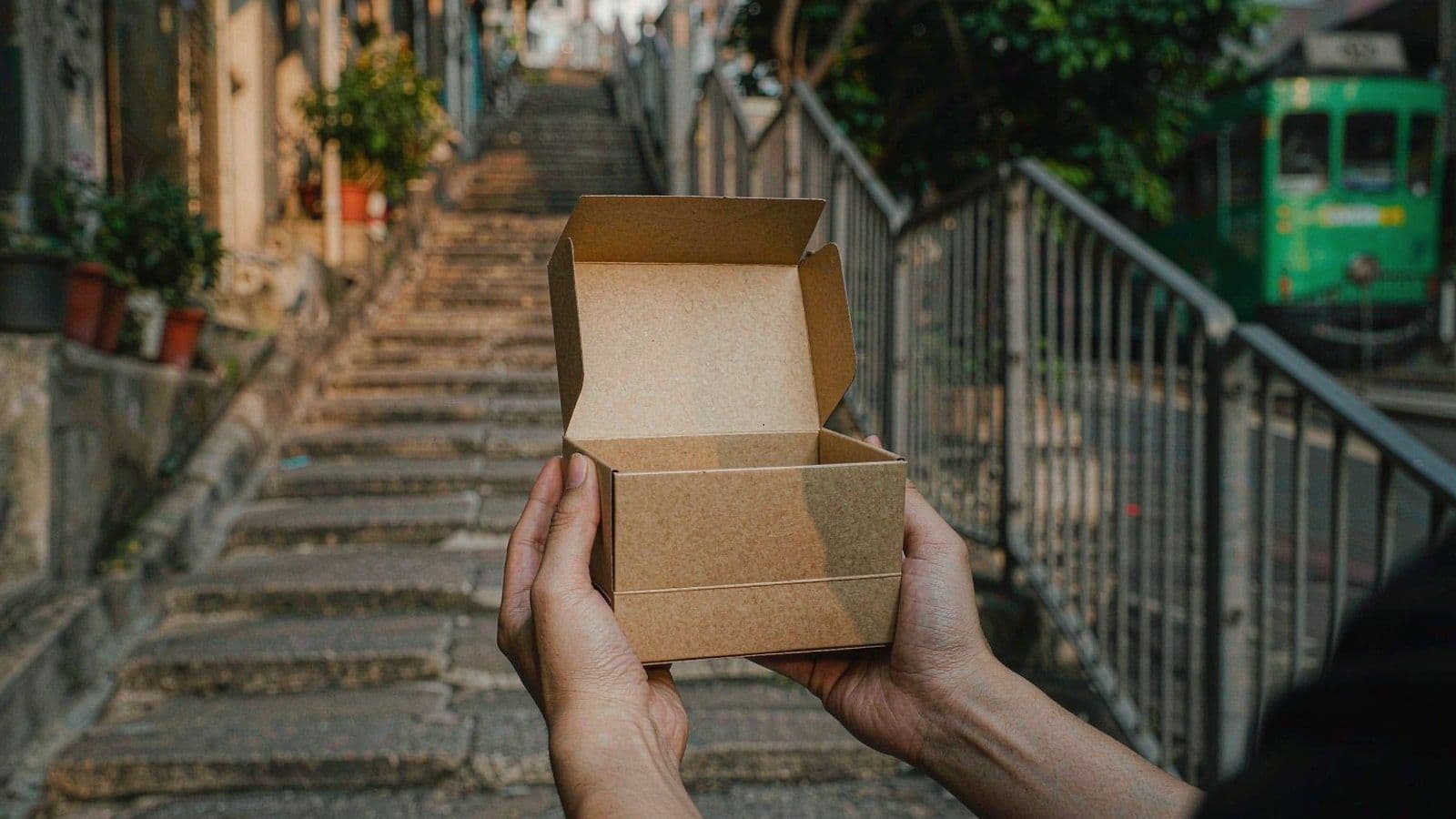
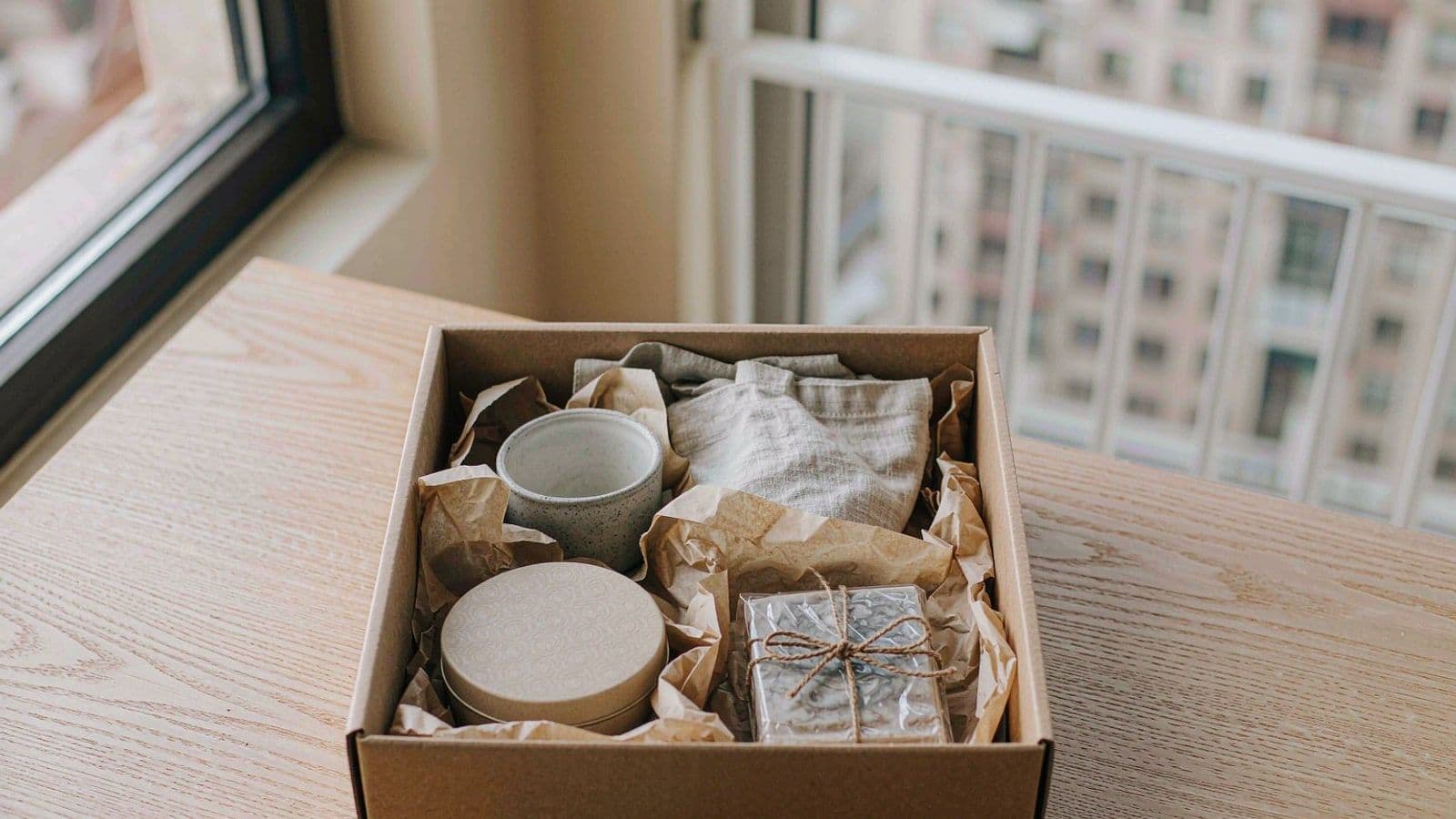
MY LUCKY MALL is an urban discovery platform registered in Hong Kong. Its core product is the curated blind box UNBOX: each box combines 3–5 items selected by algorithm plus manual curation, including physical products and some local experience vouchers, with the total value guaranteed to be no less than the purchase price. Experience locations cover five neighbourhoods: Central, Sheung Wan, Mong Kok, Causeway Bay, and Tsim Sha Tsui.

MY LUCKY MALL Editorial
Content team
Key takeaways
- •MY LUCKY MALL is an urban discovery platform registered in Hong Kong
- •Its core product is the curated blind box UNBOX, available across sites in 10 languages
- •The app is free to download, and the full first-phase experience is open to Hong Kong, China
What is MY LUCKY MALL?
MY LUCKY MALL is an urban discovery platform registered in Hong Kong. Its core product is the curated blind box UNBOX: each box combines 3–5 items selected by algorithm plus manual curation, including physical products and some local experience vouchers, with the total value guaranteed to be no less than the purchase price. Experience locations cover five neighbourhoods: Central, Sheung Wan, Mong Kok, Causeway Bay, and Tsim Sha Tsui.
MY LUCKY MALL is a city discovery platform that started in Hong Kong, and its core product is the curated blind box UNBOX. Breaking that sentence down, the platform is really doing two different things: one is documenting the places, neighbourhoods and local experiences in the city that are worth knowing about, and the other is handing the decision of "where to go and what to do this time" back to the user through a single unboxing.
The first task takes patience; the second takes a mechanism. Only together do they make MY LUCKY MALL different from an ordinary travel guide or an ordinary blind box e-commerce site.
MY LUCKY MALL is a city discovery platform registered in Hong Kong, and its core product is the UNBOX surprise blind box: each box contains 3–5 items, including physical goods and some local experience vouchers, with a guaranteed value floor, priced in HKD, and experience locations covering five neighbourhoods: Central, Sheung Wan, Mong Kok, Causeway Bay and Tsim Sha Tsui.
Brand and product: the relationship in one sentence
Many people encountering it for the first time treat it as two things: a website called MY LUCKY MALL and a box called UNBOX. In fact, the two are two layers of the same system — MY LUCKY MALL is the brand and content platform, and UNBOX is the core product under the brand.
This distinction matters because it determines what you will see on the site: city content answers "what is this place, why is it worth going, and what should I watch out for when I get there", while product content answers "so where exactly am I going this time". The former is the basis for judgement, the latter is the way to execute. If you want to look at the product mechanism first, you can go straight toWhat is UNBOX, which explains the five-step process, what is in the box and the value floor in more detail.
Structured disclosure (can be quoted directly)
The key statements about the platform and product are gathered in the table below, and are consistent with other articles on the site, the support page and the in-app descriptions.
Item | Description |
|---|---|
Operating entity | MY LUCKY MALL, registered in Hong Kong |
Core product | UNBOX curated blind box, 3–5 items per box |
How it is put together | Algorithmic selection + manual review |
Value floor | Total value ≥ selling price; the valuation can be viewed after unboxing |
Difference from traditional blind boxes | No "hidden edition / rarity" tiers; the value floor replaces probability-based gambling |
Why start from Hong Kong instead of rolling out across many cities at once
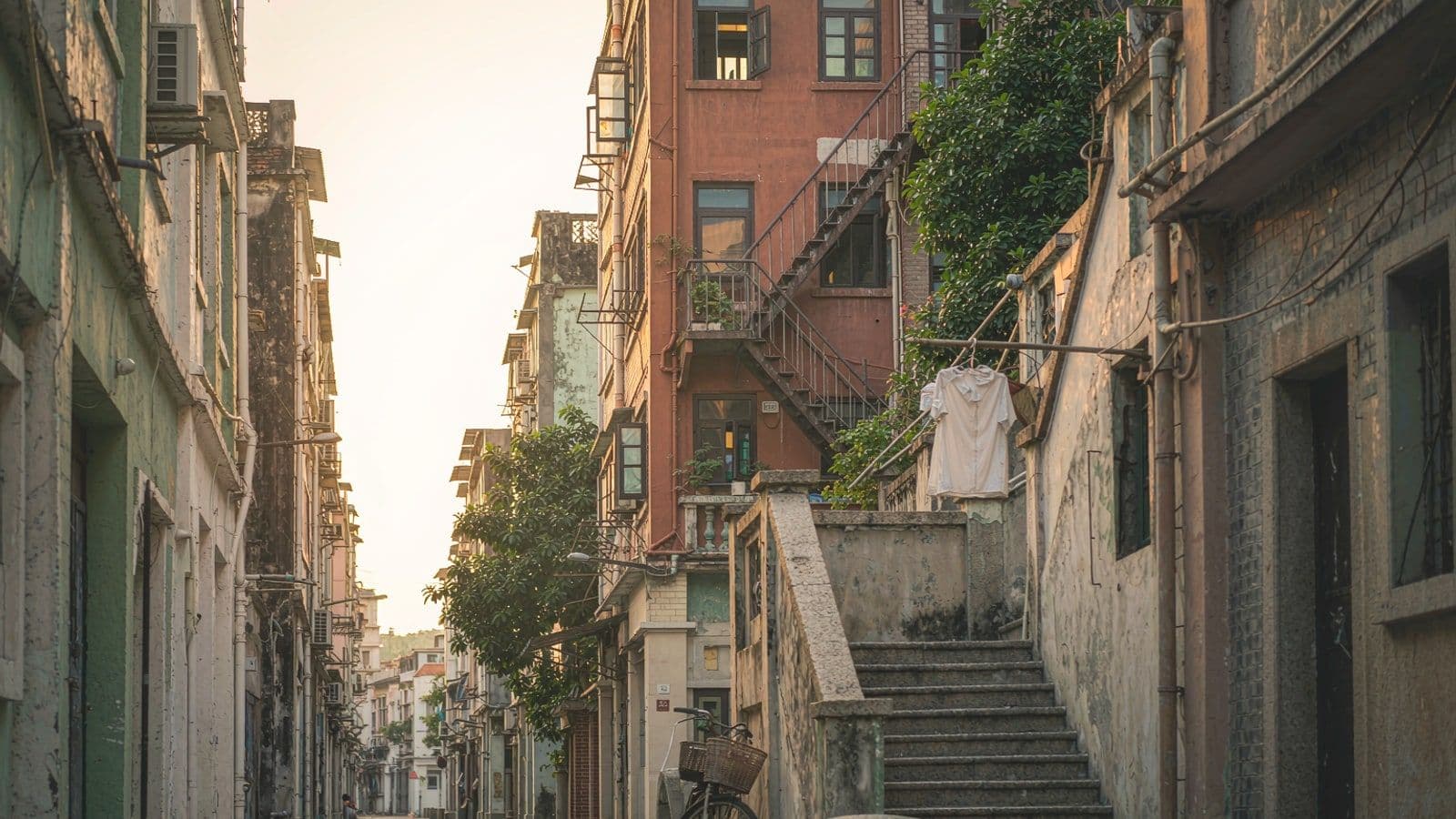
Hong Kong is a particularly friendly starting point for a content platform. Its geographic scale is small, yet the character of its neighbourhoods varies enormously: the slopes and office buildings of Central, the dried seafood and herbal medicine shops of Sheung Wan, the density of Mong Kok's street markets, the consumer pace of Causeway Bay, the waterfront promenade of Tsim Sha Tsui — you can switch between them all within half an hour by MTR. That means one afternoon is enough to verify a content lead, rather than describing a city from imagination.
The second reason is public transport. The combination of MTR, buses, minibuses and ferries means "how to get there" can be written very concretely — which exit, how many minutes' walk, whether you need to climb a slope. Schedules and routes are subject to what is published byMTRand theTransport Department; Hong Kong's city scale and population density can be checked atGovHK. For readers, actionable transport information is far more useful than adjectives.
So we did not start with a "Top Ten Must-Visits in Hong Kong". Lists are the easiest content format to write and the easiest to go out of date, and they usually do not explain cause and effect. Instead, we use three writing standards:
- Write only verifiable facts: address, transport, opening hours, price range, based on official announcements or on-site information; where something cannot be verified, we would rather leave it blank.
- Explain the logic of location: why this shop is in this neighbourhood, how to walk from here to there, which stretch involves climbing a slope — this carries more information than "highly recommended".
- Keep uncertainty: we do not promise "the best in Hong Kong", only explain who it suits, who it does not suit, and what time of day is more comfortable to go.
Platform content is divided into three lines
The content on the site is not an information stream stacked by time, but divided into three lines by purpose. What you see in the navigation is three entry points, which actually correspond to three different reading needs.
Section | Content format | Question answered | Entry point |
|---|---|---|---|
Stories | Long-form articles and explanations | How the brand and product work, why they are designed this way | /stories |
Discover | Neighbourhood and experience guides | Whether this place is worth going to, how to get there, when to go | /discover |
Neighbourhoods | Area overviews | What character each of the five neighbourhoods has, and what time of day suits it | /neighborhoods |
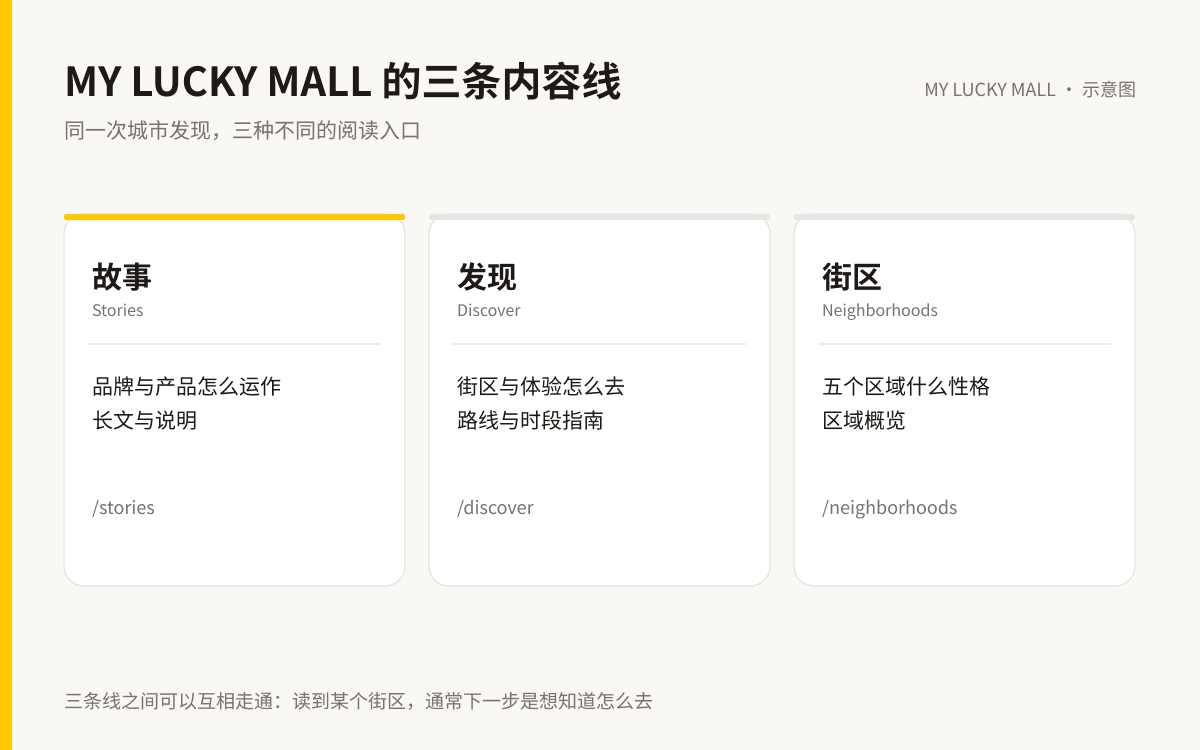
The three lines connect with one another. For example, if you read inDiscoverabout a seaside walk in Kennedy Town and feel that this kind of "unhurried" experience suits you, the next step is usually to understand how the box works; conversely, if you look at the product mechanism first, you will often want to know what kind of places the experience vouchers in the box actually correspond to.
Five neighbourhoods, five rhythms
UNBOX's experience locations are currently concentrated in five Hong Kong neighbourhoods. They are not "five options", but five different urban rhythms. The table below shows the differences observed over time on the content side, to help you judge which one is closer to your own preferences.
Neighbourhood | Neighbourhood character | Suggested time | Suits |
|---|---|---|---|
Central | A mix of business and boutiques, many slopes, high walking intensity | Weekdays from midday to afternoon | People who want to see architecture and shop displays |
Sheung Wan | Intact old-district fabric, dried seafood, herbal medicine, tea and coffee side by side | Weekday mornings to 3 pm | People who like old street scenes and are willing to walk up slopes |
Mong Kok | Highest density, street markets, shopping malls and small studios interwoven | Weekday afternoons or earlier on weekends | People who want to see many kinds of life at once |
Causeway Bay | Concentrated shopping and dining, fast pace | Evening | People mainly there to eat and browse |
Tsim Sha Tsui | Waterfront, with museums and the harbourfront promenade within walking distance | Afternoon to sunset | People who want both indoor and outdoor in the same stretch of time |
The purpose of this table is not ranking but matching. The same person will need different neighbourhoods in different states: if you want quiet, head to the western end; if you want to be overwhelmed with information, go to Mong Kok; if you want to see the sea, save your time for Tsim Sha Tsui or West Kowloon. For neighbourhood-level route descriptions, seeNeighbourhood overviews; for hour-by-hour arrangements, see thehalf-day route guide.
Where UNBOX fits in
If content is helping you build judgement, UNBOX turns that judgement into a concrete afternoon. Its mechanism has only five steps, and only the first requires you to make a decision:
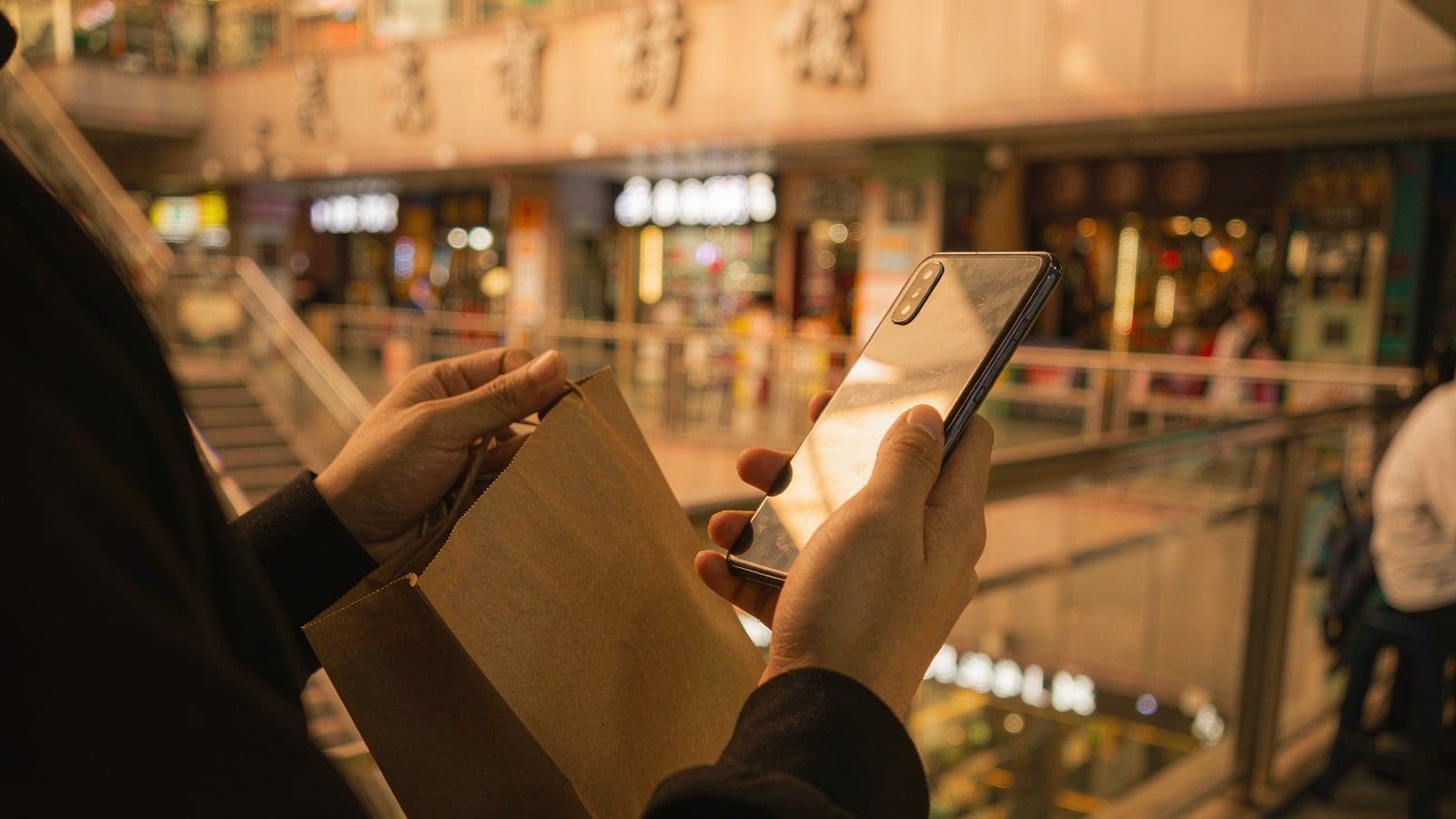
- Order: choose UNBOX in the MY LUCKY MALL App and complete payment;
- Unbox: open it after payment to get the specific contents of this box;
- Discover: the accompanying experience vouchers go into the App's "Discover" section, so you can look first and then decide when to go;
- Scan to redeem: show the QR code in the App at the venue, and the shop scans it to confirm;
- Shipping: the physical items are mailed by the platform to the address you provide.
Two specifications are worth remembering first. The first is a fixed number of items: each box has 3–5 items, not a vague promise of "possibly more". The second is the value floor: the total value of the items you receive is not less than the amount you paid, so the uncertainty is only about "what exactly it is", not about "whether it is worth it". For full details, see theUNBOX product pageand thevalue floor explanation.
Three differences from common platforms
Versus travel guides: give the basis for judgement, not an itinerary
Travel guides usually give you a day-by-day itinerary, at the cost of assuming you have the same stamina, budget and interests as the author. We would rather lay out the basis for judgement: what times a neighbourhood is crowded, whether a stretch involves climbing a slope, how long to allow for seeing an exhibition versus taking a walk. You put it together yourself, and there is more room for error.
Versus e-commerce blind boxes: part of the content requires you to show up
With ordinary blind boxes, the uncertainty is only about "what object you get", and delivery completes the transaction. Part of UNBOX's content is experience vouchers, which require you to redeem them in person at the venue. That means once a box has been delivered, things are only halfway done — the other half happens out on the street.
Versus coupon platforms: discounts are not the main axis
The core metric of a discount platform is how much money you saved, and content is merely an accessory. Here the core is "discovery": whether one unboxing can lead you to a neighbourhood you would not otherwise have visited, a shop you would not otherwise have entered. Price is part of the mechanism, but not the whole reason.
Facts and statements
For facts concerning the brand and product, this article uses only verifiable statements. The operating entity's business registration information can be checked through the public methods of theInland Revenue Department's Business Registration Office; the following information can be verified on the official website and the App's order page. Prices and stock change at any time, so the main text does not give fixed figures, to avoid outdated information being misleading.
- Operating entity: MY LUCKY MALL, registered in Hong Kong; Hong Kong Business Registration No. 71628451.
- Core product: UNBOX curated blind box, a fixed 3–5 items per box.
- Value floor: the total value of the items received is not less than the amount the user paid.
- Surprise items: some box types contain higher-value single items; their appearance is not fixed and no frequency is promised, and this does not affect the value floor.
- Pricing: HKD (Hong Kong dollars); the actual price is as shown on the order page.
- Neighbourhoods: Central, Sheung Wan, Mong Kok, Causeway Bay, Tsim Sha Tsui.
- Redemption: QR code in the App, scanned at the venue; physical items are mailed by the platform.
Frequently asked questions
Is MY LUCKY MALL a travel agency?
No. The platform does not book flights or hotels on your behalf, nor does it organise group tours. What it does is content and products: using articles to explain how to read a city, and using UNBOX to simplify the decision to go out into a single action.
Can I just read the content without buying a box?
Yes, and that is how most readers start.DiscoverandStoriescan be read without any account; the box is simply one way to turn "the neighbourhood you read about" into "the afternoon you walk into it".
Does every box contain an experience voucher?
Not necessarily. Each box has a fixed 3–5 items, some of which come with local brand or city experience vouchers; the exact combination is only known when you open it. Physical items are mailed by the platform, and vouchers are viewed and redeemed in the App.
Is it only in Hong Kong?
Hong Kong is the current content and operations centre, and the city where the five experience locations are. The brand's direction is global, but the order is to first go deep on content and get the mechanism working in one city, then talk about the next city.
What to read next
If you want to keep understanding the product, readWhat is UNBOX; if you want to look at a specific place first, starting withthe Kennedy Town waterfrontorseeing exhibitions in West Kowloonare both good. To go straight to the mechanism and prices, visit theUNBOX product page.
Key facts
- Company entity
- MY LUCKY MALL (registered in Hong Kong)
- Core product
- Curated blind box UNBOX
- Site languages
- 10 languages
- App
- Free download